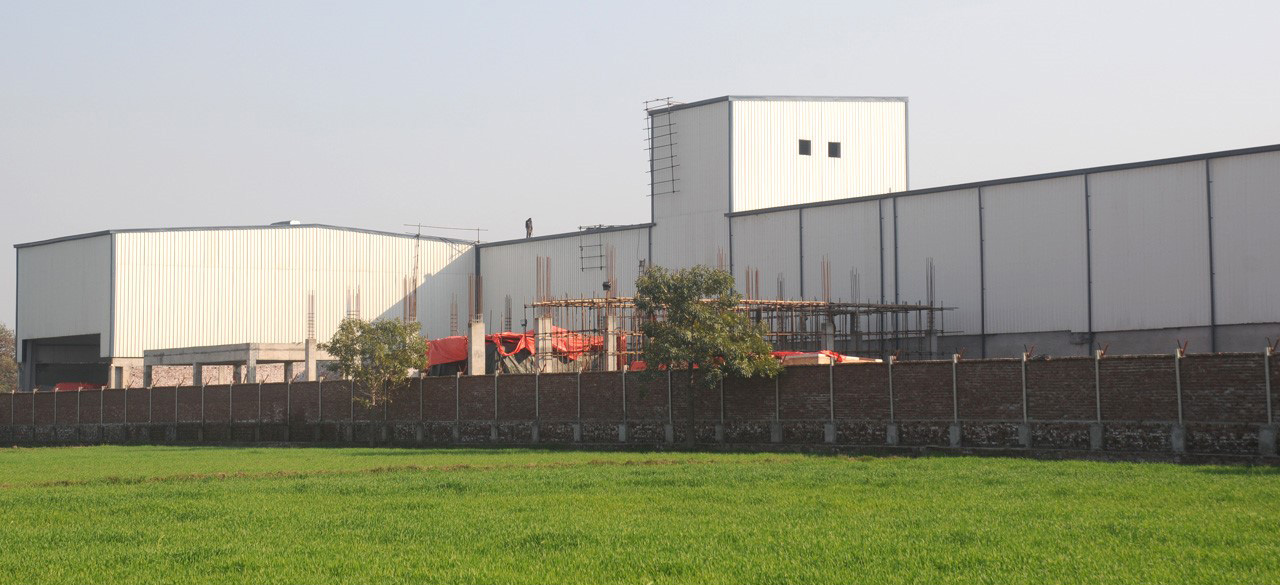
International Packaging Films Ltd (PSX: IPAK) has reported a sharp fall in profitability for the nine months to March 2025, despite robust top‑line expansion fuelled by new capacity coming on‑stream. The company told analysts that consolidated net profit dropped 62% year‑on‑year to Rs309.9 million (earnings per share: Rs0.44) in the first nine months of fiscal year 2025, down from Rs823.4 million a year earlier. Operating performance was constrained by higher input costs and an unfavourable shift in product mix, even as revenue surged 66% to Rs26.1 billion over the same period.
Third‑quarter figures underscored that pressure: January–March sales slipped 3% to Rs4.08 billion, while gross profit declined 8% to Rs785 million and operating profit fell 12% to Rs673 million. Nevertheless, bottom‑line earnings for the quarter eked out a 6% rise to Rs255 million, helped by lower finance costs and one‑off items.
The market’s initial reaction was muted; IPAK’s share price edged 0.5% lower on the Pakistan Stock Exchange as investors digested the margin squeeze against the backdrop of a still‑expanding top line. [restrict level=1]
Management blamed the profit compression on a combination of elevated raw‑material prices and a deliberate tilt towards plain film exports, which carry thinner unit margins than domestic specialty orders. Polypropylene and polyethylene feedstock costs rose during the period, eroding gross margin from 23% to 16% year‑on‑year, as shown in the detailed earnings table reproduced on page 2 of the briefing note.
Although new lines boosted volumes, they weighed on efficiency. Group‑wide utilisation averaged 62% — with BOPP at 67%, CPP at 90% and BOPET at just 46% — well below the 70‑plus‑percent threshold at which fixed costs are best absorbed. Lower utilisation meant that incremental revenue did not translate into proportional gross profit.
Total debt climbed to Rs28 billion in the period, partly to fund working‑capital needs linked to higher export receivables. Finance costs dipped 6% to Rs1.06 billion in the first nine months of fiscal year 2025 thanks to a slight easing in benchmark rates and active treasury management, but servicing such a large debt pile remains a drag on net earnings.
Export revenue reached Rs6 billion, benefiting from a rupee that, while volatile, continues to trade near historic lows against the US dollar. Offsetting that tail‑wind, the latest federal budget trimmed customs duties on imported BOPET and finished flexible‑packaging material by 1‑percentage‑point each, narrowing the price advantage local converters enjoy at home. Duties on polypropylene were cut to zero, eroding protection still further.
What management is saying
The company purposely diverted capacity to global clients in snack food, label stock and personal‑care films, markets where contracts are longer‑term, volumes scalable and dollar receipts hedge local cost inflation. The approach explains the 18% year‑on‑year decline in standalone (domestic) revenue, which management expects to reverse gradually as speciality coatings are added.
A 6 MW on‑site solar plant now supplies roughly one‑third of daytime power, with another 1 MW off‑grid array undergoing trials. The balance is met by RLNG, but the group has lined up grid connectivity as a contingency should future levies erode RLNG’s cost advantage. Energy typically represents 12–14% of the cost base, so any savings here feed straight into margin.
Despite rising leverage, the board reaffirmed its one‑third payout policy, signalling confidence that cash flows will strengthen once utilisation lifts. Still, analysts believe the dividend may be modest this year as gearing ratios test internal limits.
IPAK is scouting Middle‑East distributors and intends to open sales offices in Europe and Africa within two years. Management pins its hopes on the BOPP and BOPET markets growing 6–7% annually, citing data from industry consultants. A new high‑speed metalliser and nano‑coating station are slated for commissioning in FY26, aimed at food‑grade barrier films that command premium pricing.
At least two entrants are expected to bring polypropylene film lines online by June 2026. IPAK claims its scale, positive ESG credentials and first‑mover export relationships will help defend share, but admitted that local selling prices could come under pressure.
Company profile and history
International Packaging Films traces its roots to 1995, when entrepreneur Syed Asad‑ul‑Haq set up a 5,000‑tonne BOPP plant on the outskirts of Lahore to supply wrappers for confectionery and detergent. Over three decades, the firm has expanded into cast polypropylene (CPP) and biaxially oriented polyethylene terephthalate (BOPET), now boasting nominal capacity in excess of 100,000 tonnes per annum and a customer base spread across FMCG, agribusiness and pharmaceuticals.
Key milestones include its 2007 listing on the Karachi Stock Exchange, raising Rs1.2 billion for a second BOPP line and the group’s first in‑house extrusion coating facility, its 2015 acquisition of an Italian 8.7‑metre CPP line, catapulting the company into high‑clarity films for bakery and snack applications, and its 2021–23 expansion drive, financed through a mix of debt and internally generated cash, that added the BOPET line highlighted above and nearly doubled power generation capacity.
It also has several ESG initiatives, among them waste‑heat recovery, solvent‑less adhesive adoption and the current solar programme, underpin the company’s pledge to reduce scope‑1 emissions intensity by 25% before 2030.
Management remains family‑led, with a professional chief executive but strategic oversight resting with the founding family, which controls roughly 55% of outstanding shares. Around 20% of the free float is held by domestic mutual funds and provident institutions, the remainder by retail investors.
IPAK is a bellwether for Pakistan’s flexible‑packaging sector. Its performance often presages trends in resin pricing, energy costs and regional competition. The present results therefore resonate beyond a single counter. If IPAK is wrestling with cost inflation and under‑utilisation, smaller players with thinner balance‑sheets are likely feeling an even bigger squeeze.
Chase Securities has already trimmed its earnings estimate to Rs650 million and cut the 12‑month target price from Rs30 to Rs26, citing slower‑than‑expected margin recovery. The key swing factor will be whether utilisation of the BOPET line can be lifted above 70% by the December quarter and whether management can negotiate better passing‑through of resin cost fluctuations to export customers.
In the medium term, the company’s export‑heavy strategy offers a natural hedge against rupee depreciation, while its solar and waste‑heat projects provide some insulation from energy shocks. But in the here and now, rising costs are squeezing margins, and IPAK’s management must prove that scale and engineering prowess can translate into sustained shareholder returns. [/restrict]