December 8, 2025
Weekly inflation decreases by 0.64% as food, fuel prices decline
Major price drops seen in tomatoes, onions, potatoes, and chicken, while LPG, garlic, and cooking oil prices rise

December 8, 2025
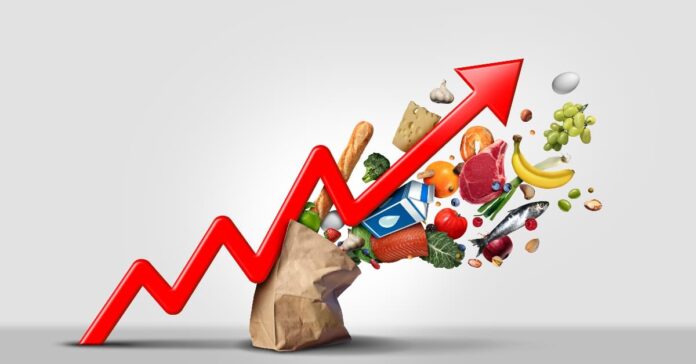
Pakistan's weekly inflation, measured by the Sensitive Price Indicator (SPI), decreased by 0.64% for the combined consumption group during the week ending December 4, 2025, according to the Pakistan Bureau of Statistics (PBS).
The SPI for the week was recorded at 335.84 points, down from 337.99 points in the previous week. However, compared to the same week last year, the SPI saw a 4.00% increase. The SPI, with a base year of 2015-16=100, tracks the prices of 51 essential items across 17 urban centers for all expenditure groups.
The lowest consumption group (up to Rs17,732) saw a 0.96% decrease in SPI, from 330.88 to 327.70 points. Other consumption groups also experienced a decline in SPI, with the reductions ranging from 0.53% for the highest consumption group (above Rs44,175) to 0.88% for those earning between Rs17,733-22,888.
Out of the 51 items tracked, 13 (25.49%) saw price increases, 15 (29.41%) decreased in price, and 23 (45.10%) remained stable.
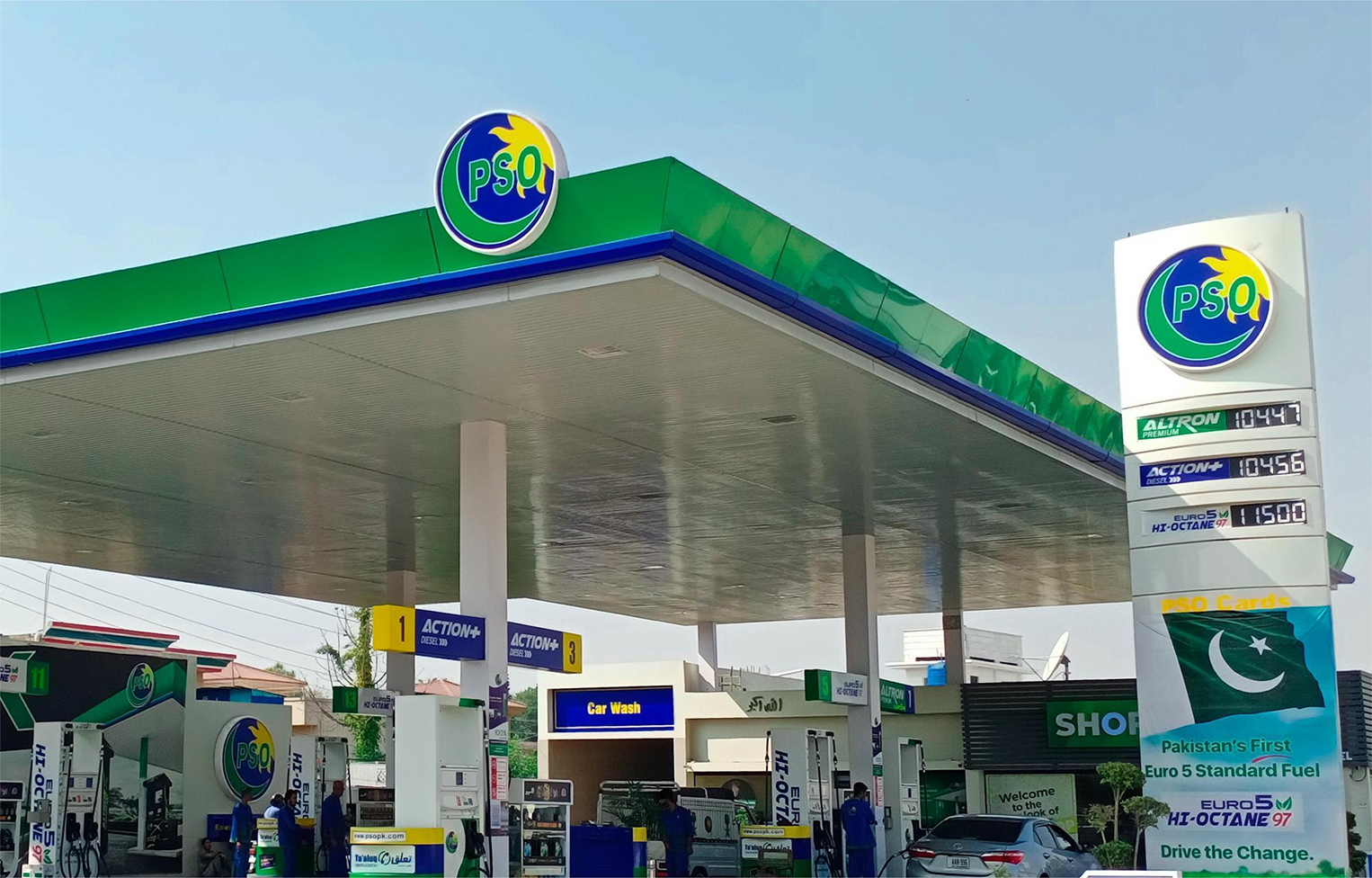
Key items that saw a week-on-week price decrease included tomatoes (-30.11%), onions (-12.41%), potatoes (-6.92%), chicken (-4.46%), sugar (-3.31%), diesel (-1.67%), pulse gram (-1.55%), and pulse masoor (-1.33%). Petrol also experienced a 0.73% decrease.
On the other hand, items such as LPG (3.50%), garlic (1.86%), cooking oil (1.54%), eggs (0.81%), bread (0.57%), and vegetable ghee (0.4%) registered price hikes.
On a year-on-year basis, sugar saw the highest price increase of 37.49%, followed by gas charges for Q1 (29.85%), wheat flour (17.50%), and gur (15.06%). Other notable increases included beef (13.47%), firewood (12.59%), bananas (11.06%), and powdered milk (9.03%).
Commodities that witnessed a decline in prices compared to last year included potatoes (-40.47%), garlic (-38.51%), tomatoes (-31.51%), onions (-29.87%), and pulse gram (-29.54%). Additionally, tea Lipton (-17.79%) and pulse mash (-13.82%) also saw decreases. Electricity charges for Q1 were down by 8.4%, and salt powder decreased by 5.13%.
0 Comments
No comments yet. Be the first to join the discussion!