


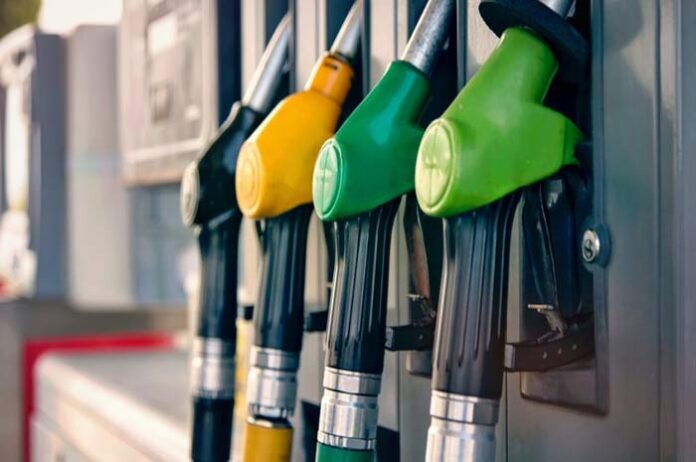
The government is planning to raise the petroleum levy to as much as Rs85 per litre to help retire Rs1.7 trillion in gas sector circular debt, using a mix of higher levies, dividends from state-owned enterprises, and savings from diverted LNG cargoes, according to official sources, reported the Express Tribune.
The proposal, discussed this week at the level of Finance Minister Muhammad Aurangzeb, involves imposing an additional Rs5 per litre levy on petrol and high-speed diesel to generate revenues through 2031. Subject to cabinet and International Monetary Fund approval, the plan aims to settle the principal amount of gas sector circular debt over six years.
Officials said the Petroleum Division has proposed using dividends from oil and gas SOEs, increased petroleum levy collections, and savings from LNG cargo diversion to clear the debt. Under the plan, the existing petroleum levy of Rs75 per litre on diesel and Rs79.62 per litre on petrol would rise to Rs80 and Rs85 per litre, respectively.
Petroleum Minister Ali Pervaiz Malik said the gas sector lacks a dedicated revenue stream for circular debt repayment, unlike the power sector, where consumers pay a surcharge per electricity unit to service debt. In the absence of such a mechanism, the government is considering dividends and other measures to retire the gas sector debt.
Total gas sector circular debt stood at around Rs3.3 trillion by end-June, including about Rs1.5 trillion in late payment surcharges. Of the Rs1.7 trillion targeted for settlement, Rs680 billion is proposed to be met through dividends from oil and gas exploration companies.
According to the aforementioned sources, Oil & Gas Development Company Limited is expected to contribute over Rs250 billion in dividends, Pakistan Petroleum Limited around Rs230 billion, and Government Holding Private Limited close to Rs200 billion. The plan also includes Rs415 billion in savings from LNG diversion and Rs75 billion from recoveries.
The Petroleum Division has reportedly, proposed using LNG diversion savings to retire debt rather than pass on price reductions to consumers. However, debt retirement would be conditional on creditors agreeing to waive late payment surcharges, a mechanism previously used in the power sector.
Sources said the Finance Division broadly supported the plan but raised questions over the proposed timeline and whether the estimated dividends would be part of regular budgetary proceeds or additional to them.
The proposal assumes gas tariffs will remain aligned with actual costs to prevent further accumulation of debt. The Petroleum Division attributed a major portion of the debt to insufficient gas price increases, accounting for nearly Rs1.5 trillion. Other factors include the diversion of imported gas to households and the use of gas-related funds for revenue measures.
A finance ministry spokesperson said the gas sector circular debt plan is part of the government’s reform agenda and that consultations are ongoing between the Petroleum and Finance divisions. The final proposal, once agreed at the inter-ministerial level, will be submitted to the federal cabinet.
In its staff-level report, the IMF has called for reducing gas sector circular debt through stock retirement and semi-annual tariff adjustments. It noted that while cost-aligned tariffs reduced principal debt by Rs86 billion last year, rising late payment surcharges pushed total circular debt to about Rs3.2 trillion by June.
The IMF said Pakistan plans to continue timely semi-annual gas tariff adjustments to stem debt accumulation while maintaining tariff progressivity to protect vulnerable consumers. The government has assured the Fund that new gas prices will be notified by mid-February, with tariffs designed to reflect RLNG costs and protect low-income households.


And yet we are facing load shedding and reduced pressure in Major Cities. The government should remove toll plazas from inter district travel and just add that to Petroleum levy as well. What happens is despite M tag and all these toll plazas are having a running cost and wasting time for people with braking and waiting times.