December 15, 2025
Pakistan shifting from aid to trade, investment: Aurangzeb
Finance minister highlights deeper economic engagement with Gulf countries

December 15, 2025
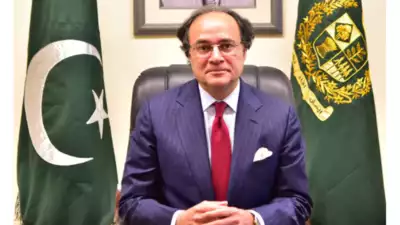
Finance Minister Muhammad Aurangzeb said Pakistan is shifting its economic focus from reliance on aid to trade and investment to achieve sustainable growth and build mutually beneficial partnerships, particularly with Gulf countries.
In an interview with CNN Business Arabia, Aurangzeb said the strategic shift, articulated by the prime minister, reflects renewed economic confidence and reform momentum in the country.
He acknowledged the longstanding support of Gulf Cooperation Council countries, including Saudi Arabia, the United Arab Emirates and Qatar, noting their role in providing financing, funding and backing at international financial institutions such as the International Monetary Fund.
The finance minister said Pakistan’s relationship with Gulf partners is now entering a new phase centred on expanding trade and increasing investment flows. He noted that remittances remain a key support for the current account, reaching about $38 billion last year and projected at $41–42 billion this year, with more than half originating from GCC countries.
Aurangzeb said Pakistan is engaging with Gulf partners to attract investment in priority sectors including energy, oil and gas, minerals and mining, artificial intelligence, digital infrastructure, pharmaceuticals and agriculture. He added that discussions on a free trade agreement with the GCC are at an advanced stage.
Reiterating the government’s direction, the finance minister said Pakistan’s economic future lies in strengthening trade and investment partnerships rather than dependence on aid, adding that foreign direct investment in productive sectors would support growth, employment and shared economic gains.
0 Comments
No comments yet. Be the first to join the discussion!