Pakistan textile sector losing ground to regional rivals on costs, warns PTC
Council cites higher energy tariffs, taxes, financing costs and logistics gaps compared with India, China, Bangladesh and Vietnam
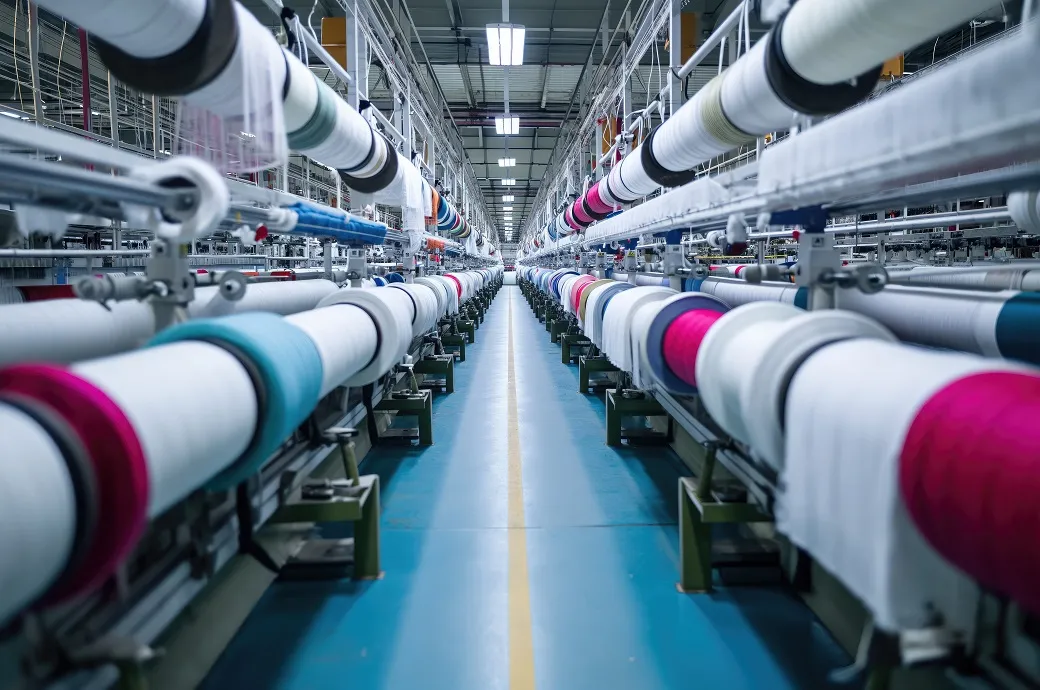
The Pakistan Textile Council (PTC) has warned that persistently high costs across energy, finance, taxation, logistics and raw materials have severely weakened the competitiveness of Pakistan’s textile and apparel sector, limiting export growth, employment creation and foreign exchange earnings.
In a statement, the apex body representing leading textile and apparel exporters said Pakistan continues to impose heavier cost burdens on exporters than regional competitors, many of which have aligned policies to support export-led growth.
PTC highlighted that electricity tariffs for Pakistani exporters average around 13.2 cents per kilowatt-hour, significantly higher than Bangladesh at 10.2 cents, India at 9.5 cents, Vietnam at 7.0 cents and China at 5.3 cents.
It added that an unreliable power supply further raises production costs. Exporters, it said, are forced to absorb inefficiencies in the energy sector, including high transmission and distribution losses, unaccounted-for gas, weak recoveries and cross-subsidies, which have contributed to persistent circular debt and undermined profitability.
The Council also flagged the high cost of borrowing, noting that Pakistan’s policy rate stands at 11% compared with 10% in Bangladesh, 4.5% in Vietnam and 3% in China. It said the discontinuation of long-term financing facilities and delays in export financing mechanisms have restricted investment in technology upgrades and capacity expansion, particularly for micro, small and medium enterprises.
PTC further said exporters face regulatory disadvantages due to the requirement to realise export proceeds within 120 days, compared with 180-day letter-of-credit tenors in competing countries, weakening negotiating leverage with international buyers and leading to diversion of orders.
On taxation, the Council expressed concern over Pakistan’s corporate tax rate of 29%, along with a super tax of up to 10%, compared with lower and preferential rates offered by China, Vietnam and Bangladesh. It said exporters also face an 18% sales tax, minimum turnover tax, advance income tax on export proceeds and multiple federal and provincial levies, while refund delays continue to strain liquidity.
The Council noted that declining domestic cotton production has increased reliance on imports, exposing the industry to global price volatility, while logistics inefficiencies further erode competitiveness. Pakistan ranked 122 out of 160 countries in the World Bank’s Logistics Performance Index in 2018 and did not feature in the 2023 index, while regional peers continue to improve. Heavy reliance on road transport, limited rail connectivity and dependence on transshipment hubs due to the absence of mother vessels at local ports have raised shipping costs and lead times.
PTC said regional competitors have invested far more in modern textile machinery since 2004, enabling higher productivity and deeper integration into global supply chains, while Pakistan has lagged due to policy uncertainty, macroeconomic instability and regulatory complexity.
The Council urged the government to urgently realign policies with regional benchmarks, including lowering industrial energy tariffs, reducing interest rates, rationalising taxes, ensuring timely refunds, reviving cotton production, modernising logistics and investing in skills development, warning that export-led growth remains Pakistan’s most viable path to economic stability.

Our monitoring team diligently searches the vast expanse of the web to carefully handpick and distill top-tier business and economic news stories and articles, presenting them to you in a concise and informative manner.
View all articles →Comments
No comments yet. Be the first to join the discussion!