Finance Division seeks PM’s nod for compulsory digital payments at points of sale
Draft amendments to Payment Systems and Electronic Fund Transfers Act sent for approval as Raast adoption targets set for 2026
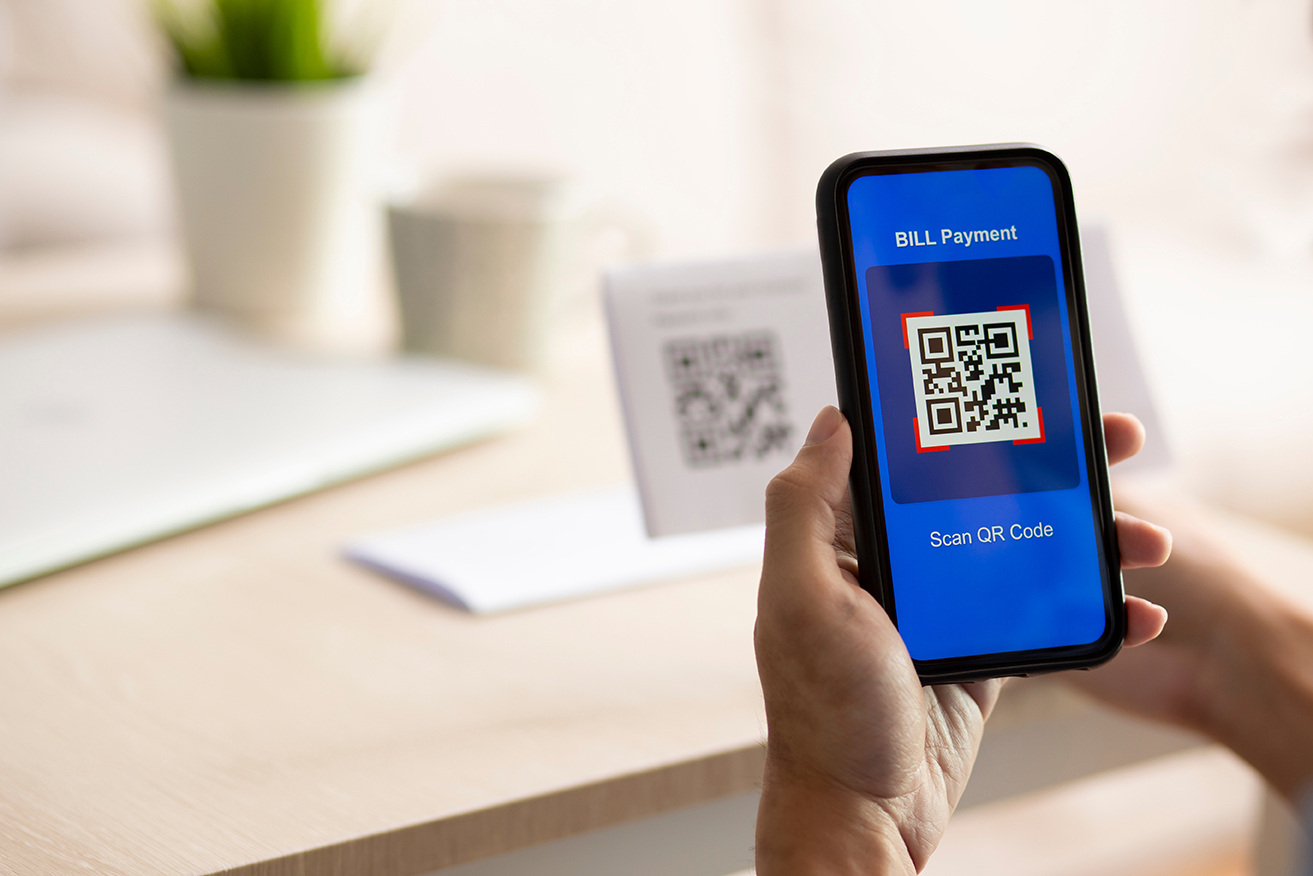
The Finance Division has drafted amendments to the Payment Systems and Electronic Fund Transfers (PS&EFT) Act, 2007, to mandate at least one digital payment option, such as QR codes, at points of sale and empower local governments to enforce compliance, with the finance secretary having sent the proposal to the Prime Minister’s Office for in-principle approval ahead of its circulation to the cabinet.
As part of the shift toward a cashless public finance ecosystem, the government has also established the Government Payments and Receipts Transformation Unit (GPRTU) under the Ministry of Finance. The unit will coordinate the digital enablement of government entities and oversee integration with Raast.
The GPRTU will lead the digitisation of government-to-person (G2P) payments and person-to-government (P2G) collections, including building a government-facing Raast Connect, supporting onboarding to payment aggregators, re-engineering processes, and coordinating technical support with NITB and provincial IT boards.
Under the Cashless Pakistan initiative, the government has set targets for December 2026 to expand active digital merchants to two million, digital banking users to 120 million, and annual digital transactions to 15 billion. Non-tax P2G payments are targeted for full digitisation, while digital remittances credited directly to bank accounts are expected to exceed 80%.
As of November 2025, Pakistan recorded 3.3 billion digital transactions, with 89% of certain P2G streams digitised. Financial inclusion stood at 67%, with a roadmap to reach 70% by 2026 and a narrowing gender gap in access.
Several federal entities, including the Power Division, Petroleum Division, Pakistan Railways, NADRA and Pakistan Post, are at various stages of transition, with full Raast-based integration planned by 2026.
Major G2P disbursement bodies such as the Benazir Income Support Programme, Pakistan Military Accounts Department and Central Directorate of National Savings have set timelines for full digitisation between March and June 2026.
At the provincial level, departments across Punjab, Sindh, Khyber Pakhtunkhwa, Balochistan and Gilgit-Baltistan are being prioritised for salary, pension, vendor and fee payments. Islamabad Capital Territory has already issued bylaws mandating digital payment solutions at retail outlets, while provinces are reviewing or drafting digital payment laws; all provinces except AJK have issued interim notifications requiring digital payment acceptance.
Recent measures include a fully end-to-end e-stamp solution for ICT integrated with the State Bank of Pakistan’s 1-Link system, removing the need for physical documentation. Digital connectivity has also been expanded in ICT, with internet access provided to schools and basic health units and free public Wi-Fi rolled out at major public locations.

Our monitoring team diligently searches the vast expanse of the web to carefully handpick and distill top-tier business and economic news stories and articles, presenting them to you in a concise and informative manner.
View all articles →Comments
No comments yet. Be the first to join the discussion!