


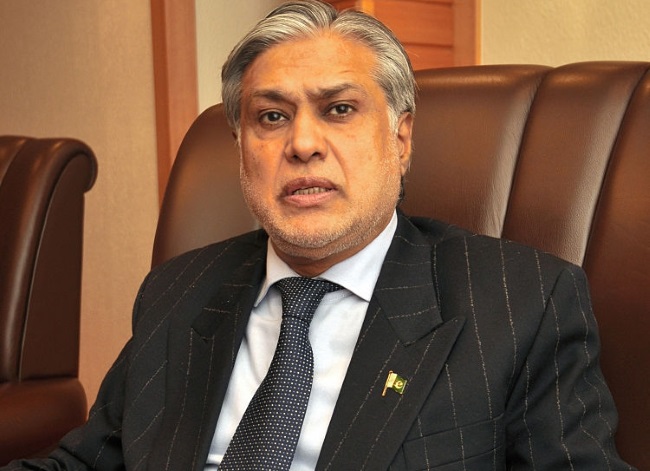
Deputy Prime Minister and Foreign Minister Ishaq Dar on Wednesday said Pakistan’s efforts to reset its economy would fail without consistent policies and institutional stability that extend beyond changes in government.
Speaking in Islamabad at the Pakistan Policy Dialogue titled Correcting Course: Pakistan’s Economic Reset, Dar said sustainable economic growth could not be achieved through short-term or piecemeal measures.
He said economic resetting required strengthening the economy’s structural foundations through responsible governance, continuity in policymaking, and durable institutions. Policies, he added, must survive electoral cycles to produce lasting results.
Dar also called for technology-enabled governance to improve service delivery and ensure that policy objectives translate into measurable outcomes.
Linking diplomacy with economic priorities, he said Pakistan’s foreign policy was increasingly focused on supporting trade and investment. According to Dar, diplomatic engagement was being directed towards boosting exports and building partnerships based on shared economic interests.
The policy dialogue brought together senior government officials, corporate leaders, economists, and development experts to discuss reform priorities, growth-oriented policies, digitisation, and institutional strengthening at a critical stage for the economy.
The forum was organised by the Policy Research and Advisory Council in collaboration with the Corporate Pakistan Group, with the Nutshell Group as strategic partner. The Ministry of Commerce and the Trade Development Authority of Pakistan served as founding partners, while Bank Alfalah and BankIslami participated as platinum and gold partners.
The inaugural session, Resetting Pakistan’s Economic Direction, featured Federal Minister for Planning Ahsan Iqbal, Finance Minister Senator Muhammad Aurangzeb, Climate Change Minister Senator Dr Musadik Malik, Adviser to the Prime Minister on Privatisation Muhammad Ali, former State Bank governor Dr Ishrat Husain, PRAC Chairman Muhammad Younus Dagha, and former investment minister Muhammad Azfar Ahsan.
Ahsan Iqbal said Pakistan’s recovery depended on balancing short-term stabilisation with long-term development, noting gaps in productivity, export competitiveness, education, and health relative to peer economies.
Finance Minister Aurangzeb outlined reform priorities focused on macroeconomic stability, population pressures, and climate risks, and said regulation of emerging sectors such as crypto and blockchain was necessary to unlock youth-driven growth.
Later sessions focused on digital inclusion, green growth strategies for a climate-vulnerable Pakistan, and restoring macroeconomic competitiveness, with participants stressing the need for predictable policies, private-sector participation, and investment in human capital.