


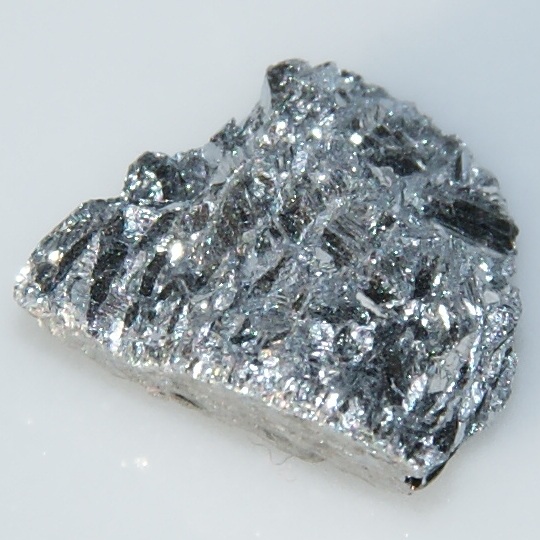
Pakistan has emerged as a new area of interest for the United States as Washington looks to diversify its supply of antimony, a critical mineral used in defence systems, batteries and industrial safety products, amid growing concerns over China’s dominance of global supply chains, according to a report by Financial Times.
FT reported, citing data compiled by US authorities, that Pakistan produces only a limited quantity of antimony, largely from areas along its mountainous border with Afghanistan, and holds about 1% of known global reserves.
However, industry experts, speaking on condition of anonymity, disputed this assessment, arguing that Pakistan’s antimony reserves are significantly larger than officially reported. While they acknowledged that Pakistan cannot replace China, which controls roughly one-third of global reserves, they said the country could still meet a meaningful share of US demand.
Until recently, antimony sourced from Afghanistan and nearby regions was largely purchased by Chinese traders, who controlled pricing and exports. That pattern is now shifting, with US buyers exploring Pakistan and Central Asia as alternative sources to secure future supplies of the mineral. Therefore, Pakistan is seeking to benefit from the heightened global demand for critical minerals.
The change in interest also coincides with a sharp rise in global prices. Antimony trioxide is currently trading near $40,000 per tonne, down from a peak above $60,000 earlier this year but still higher than about $26,000 per tonne in September 2024. The surge has been driven by fears over supply concentration rather than a shortage of ore.
Pakistan’s local mining firms report growing engagement from US companies interested in testing and stockpiling Pakistani antimony. One such agreement involves the planned purchase of more than 100 tonnes of antimony concentrate for testing and processing in the United States early next year, with the possibility of downstream processing facilities being developed in Pakistan at a later stage.
US interest extends beyond private firms. A Missouri-based company has also agreed to collaborate with Pakistani authorities on critical minerals used in defence, aerospace and technology industries, while samples of Pakistani antimony have already been sent to the US for quality assessment.
Elsewhere in the region, Tajikistan, the world’s second-largest antimony producer, has also attracted attention from Washington, highlighting broader US efforts to diversify supply chains away from China.
However, industry analysts caution that while ore availability is expanding, processing capacity remains heavily concentrated in China. Few smelters outside the country are capable of refining antimony at scale, limiting how quickly alternative supply chains can develop. Observers note that Pakistan remains largely at the raw-material stage, with most output exported unprocessed and little domestic refining capability.
Although prices have eased from their peak as buyers consider substitutes and new supply emerges from Southeast Asia, US buyers continue to signal a willingness to pay premiums above Chinese offers. For Pakistan, the renewed interest presents an opportunity, but one that will depend on addressing processing gaps, regulatory challenges and long-term investment in the sector.