

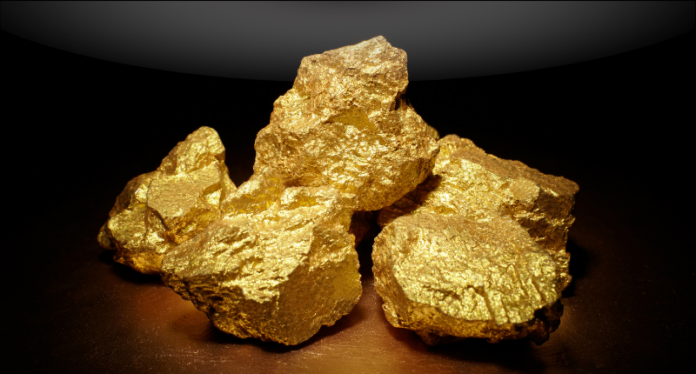
Pakistan’s largely informal gold market is undermining the country’s economic value, according to the Pakistan Business Forum (PBF), which warned that over 90% of gold trading occurs outside formal channels. This informality is eroding consumer confidence, discouraging investment, and distorting the market.
The PBF estimates that Pakistan consumes between 60 to 90 tonnes of gold annually, yet most transactions are undocumented, leading to price distortions, smuggling, and under-invoicing. This unregulated trading also results in significant revenue losses, while the country remains heavily reliant on imports, with gold imports valued at approximately $17 million in FY2023-24.
The Forum pointed to a sharp increase in domestic gold prices in 2025 as further evidence of weak market governance. Data shows the price of 24-karat gold per tola surged from Rs272,600 at the end of 2024 to Rs456,962 by December 2025, a rise of nearly Rs184,362 in just one year.
The statement also highlighted several challenges hindering market formalisation, including fragmented policy oversight, high and inconsistent taxation, and a lack of refining, assaying, and hallmarking capacity. These issues have led to limited consumer protection and discouraged traders from entering formal markets.
Looking ahead, the PBF identified the Reko Diq copper-gold project as a major opportunity to reshape Pakistan’s gold ecosystem. With an estimated economic potential of up to $74 billion, the project could bolster domestic supply chains and add value, provided it is supported by a transparent and competitive downstream market.