


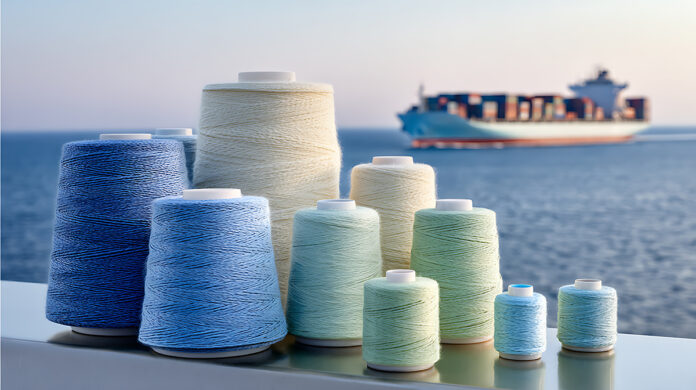
In the heart of Pakistan’s economic engine lies its textile industry, a sector that has powered the country’s exports for decades. As one of the world’s largest producers of cotton, Pakistan once dominated textile exports. Yet, today, the industry is on the brink, weighed down by rising costs, outdated infrastructure, and inefficiencies that have left many players in the sector struggling to remain afloat. The once-vibrant hub of textile production in Sindh and beyond is now a shell of its former self, as government policies fail to keep up with the needs of an increasingly globalized and competitive marketplace.
A Shifting Landscape: From Booming to Struggling
It wasn’t always this way. The early 2000s saw a boom in Pakistan’s textile industry, particularly in Sindh, where the cost of gas was lower and the supply of energy more stable. The textile mills flourished, powered by cheap and predictable energy. “In the 2000s, we had very good years because we had a stable energy supply and the cost was predictable,” recalls Asif Inam, former Chairman of APTMA. Inam, who was once at the helm of the textile association, witnessed firsthand how the promise of cheaper gas in the southern regions of the country spurred rapid industrialization. The content in this publication is expensive to produce. But unlike other journalistic outfits, business publications have to cover the very organizations that directly give them advertisements. Hence, this large source of revenue, which is the lifeblood of other media houses, is severely compromised on account of Profit’s no-compromise policy when it comes to our reporting. No wonder, Profit has lost multiple ad deals, worth tens of millions of rupees, due to stories that held big businesses to account. Hence, for our work to continue unfettered, it must be supported by discerning readers who know the value of quality business journalism, not just for the economy but for the society as a whole.To read the full article, subscribe and support independent business journalism in Pakistan