


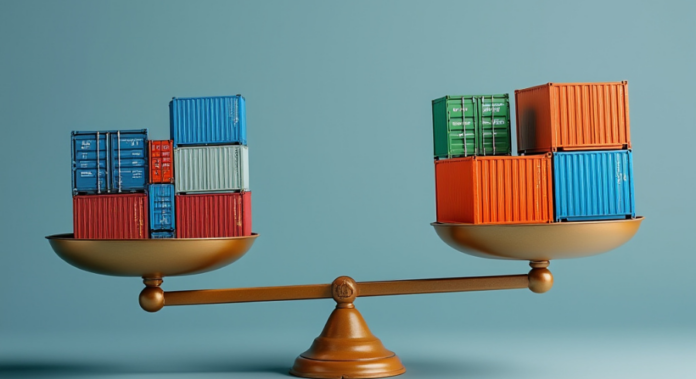
- Planning ministry’s recommendations include national holidays for export industry, removing bottlenecks in the export cycle, and supporting top 200 export firms in the country
Prime Minister Shehbaz Sharif has established a high-level committee to review a proposal aimed at declaring an export emergency in Pakistan, with the goal of doubling exports to $60 billion within four years. The committee, chaired by Deputy Prime Minister Ishaq Dar, is tasked with addressing key issues, including delays in tax refunds, which have been a major hurdle for the industrial and export sectors.
As per media reports, Planning Minister Ahsan Iqbal announced the formation of the committee on Monday, stating that Pakistan must act swiftly to raise export earnings to $60 billion to avoid relying on foreign bailouts from friendly countries or the International Monetary Fund (IMF). He emphasised that without increasing exports, Pakistan would continue facing fiscal challenges and possibly need to approach the IMF again for assistance.
The proposal, which was discussed in a briefing to the prime minister, includes a range of recommendations such as declaring national holidays for the export industry as optional in consultation with laborers, removing bottlenecks in the export cycle, and supporting the top 200 export firms in the country. The Planning Ministry has also suggested that PM Sharif personally visit leading exporters and stand behind them, ensuring their concerns are addressed.
The committee will also focus on streamlining the processes for faster activation of special economic zones and promoting economic diplomacy by transforming diplomatic missions into trade missions. Additionally, the Ministry of Overseas Pakistanis has been tasked with creating a plan to engage the diaspora for investment and export development.
Iqbal noted that Pakistan’s economy had stabilized with a 3.7% growth in the first quarter of the fiscal year, but stressed that the country must avoid an import- and consumption-led growth model that could trigger another balance-of-payments crisis. He added that while inflation had stabilized and large-scale manufacturing grew by 5% in the first four months of the year, further efforts were needed to boost exports.
The committee’s final recommendations will be submitted to the prime minister next week, with a clear focus on long-term strategies for export growth. Iqbal warned that if exports do not increase significantly, Pakistan may face continued economic challenges and external dependency.