


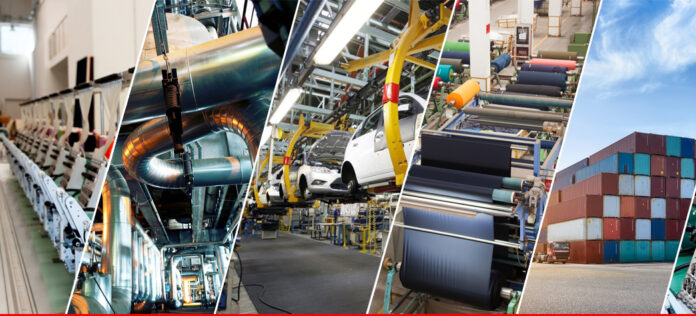
Pakistan’s large-scale manufacturing (LSM) sector posted a 6.01% year-on-year increase during July–November FY26, reflecting a recovery in key industrial segments, according to data released by the Pakistan Bureau of Statistics (PBS).
The latest figures show that industrial output also edged up 0.16% on a month-on-month basis, indicating modest momentum in factory activity as compared to the preceding month. The improvement comes at a time when external demand remains weak, underscoring the role of domestic production in supporting overall industrial performance.
Sector-wise data indicate that the automobile industry was among the strongest contributors to growth, supported by higher local assembly volumes. Output of coke and petroleum products rose by around 18% year-on-year, while cement production increased by nearly 13.5%, reflecting stronger construction-related demand. The garments sector also recorded growth of about 7%, adding to overall LSM expansion.
At the same time, not all industries performed uniformly. While food products, beverages, and paper and board showed positive growth, production declined in sectors such as chemicals, pharmaceuticals, and iron and steel products, partially offsetting gains recorded elsewhere.
The industrial recovery stands in contrast to the export sector, which continues to face headwinds. Official trade data show that export earnings fell by 8.7% year-on-year during the first half of FY26, declining to about $15.18 billion from $16.63 billion in the same period last year. Analysts note that some of the increase in domestic manufacturing may be linked to lower imports, which tend to support local output but also reflect broader weaknesses in external trade.
Large-scale manufacturing remains a key component of Pakistan’s industrial base and a major contributor to economic activity. Sustained growth in the sector is seen as critical for employment generation and overall economic recovery, though economists caution that long-term momentum will depend on improvements in exports, investment flows and broader macroeconomic stability.