December 4, 2025
Sindh overtakes Punjab in cotton arrivals as national output slips 1.1% to to 5.133 million bales
Punjab’s arrivals fall 4.49% amid yield losses and weather shocks; Sindh reaches 2.61 million bales to claim 51% share

December 4, 2025
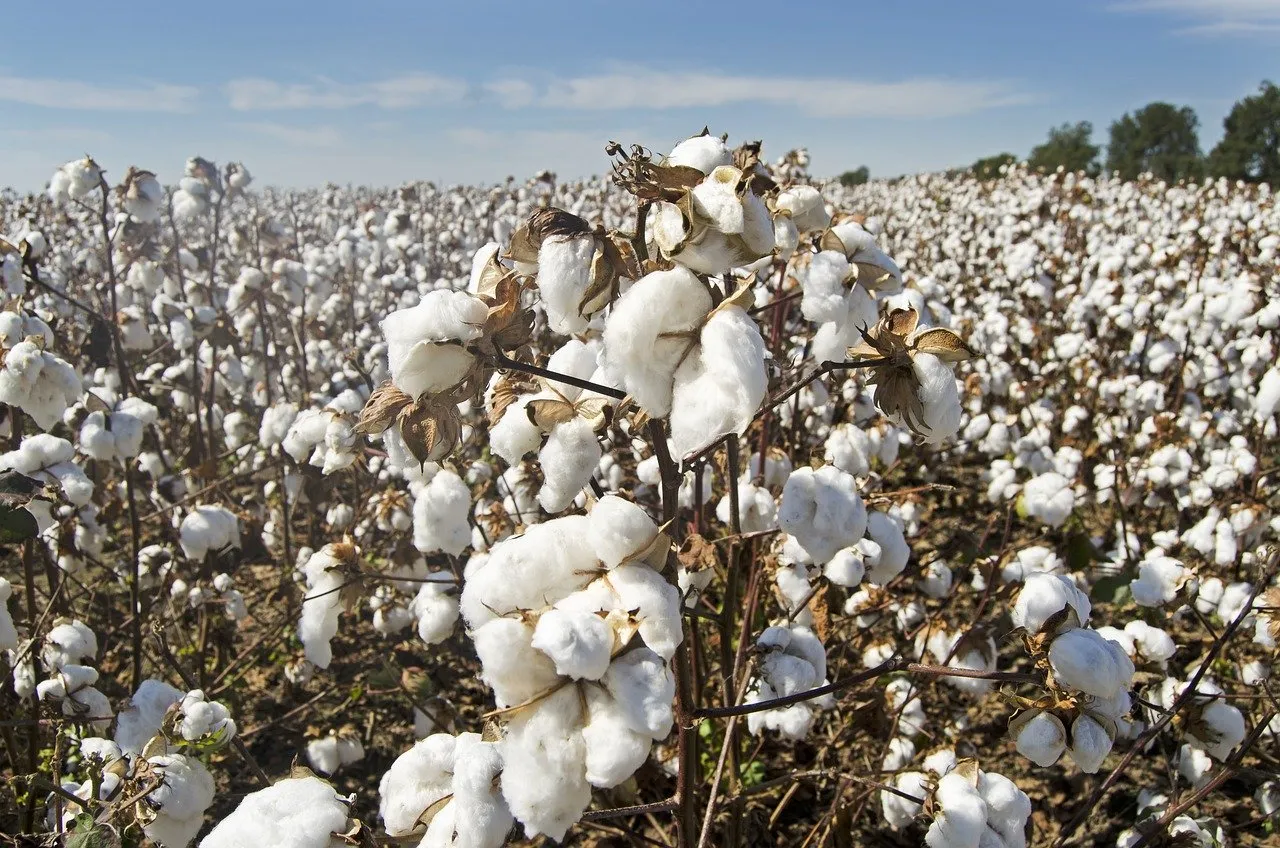
Sindh has moved ahead of Punjab in cotton arrivals for the second consecutive year, securing more than half of the country’s ginning-stage output, even as overall national arrivals slipped by 1.1% to 5.133 million bales as of November 30. Fresh data from the Pakistan Cotton Ginners’ Association (PCGA) shows Sindh contributing 2.61 million bales, or 50.85%, while Punjab’s share declined further to 45.76% with 2.349 million bales, the sharpest drop in the country’s cotton-producing regions.
The rebalancing reflects continued production stress in Punjab, where arrivals fell from 2.459 million bales last year to 2.349 million this season, despite the province cultivating double the area under cotton compared to Sindh.
Bahawalpur, Rahim Yar Khan and Dera Ghazi Khan remained Punjab’s highest contributors, while Muzaffargarh, Rajanpur and Bahawalnagar recorded the weakest arrivals.
Meanwhile, Sindh registered modest growth, with Sanghar alone providing 1.23 million bales, followed by Sukkur and Khairpur, while Jamshoro, Mirpur Khas and Nawabshah reported lower numbers.
Balochistan also showed an uptick, rising to 173,790 bales — a 3.39% share versus 3.0% last year.
Industry analysts say the contraction in Punjab’s output stems from yield losses, heavy rains, pest attacks and shifting crop choices. The shortfall has heightened pressure on ginning units, spinners and the wider textile value chain.
According to experts, total arrivals of 5,133,620 bales remain below last year’s 5,190,725 bales, while unsold stocks have climbed to 667,257 bales. They warn that the supply stress is worsening.
Market watchers say Sindh’s and Balochistan’s marginal gains have prevented a deeper national decline this season, though the tightening supply-demand gap may compel textile mills to seek larger imports.
Cotton Ginners Forum warned that rising imports of yarn and fabric from China and other countries have pushed Faisalabad, Pakistan’s largest yarn market, into the worst economic crisis in its history.
With the Trading Corporation of Pakistan absent from the market and lint prices under pressure, growers and the industry are calling for policy support, investment in research and urgent measures to stabilise the cotton economy ahead of the next production cycle.
Our monitoring team diligently searches the vast expanse of the web to carefully handpick and distill top-tier business and economic news stories and articles, presenting them to you in a concise and informative manner.
View all articles →0 Comments
No comments yet. Be the first to join the discussion!