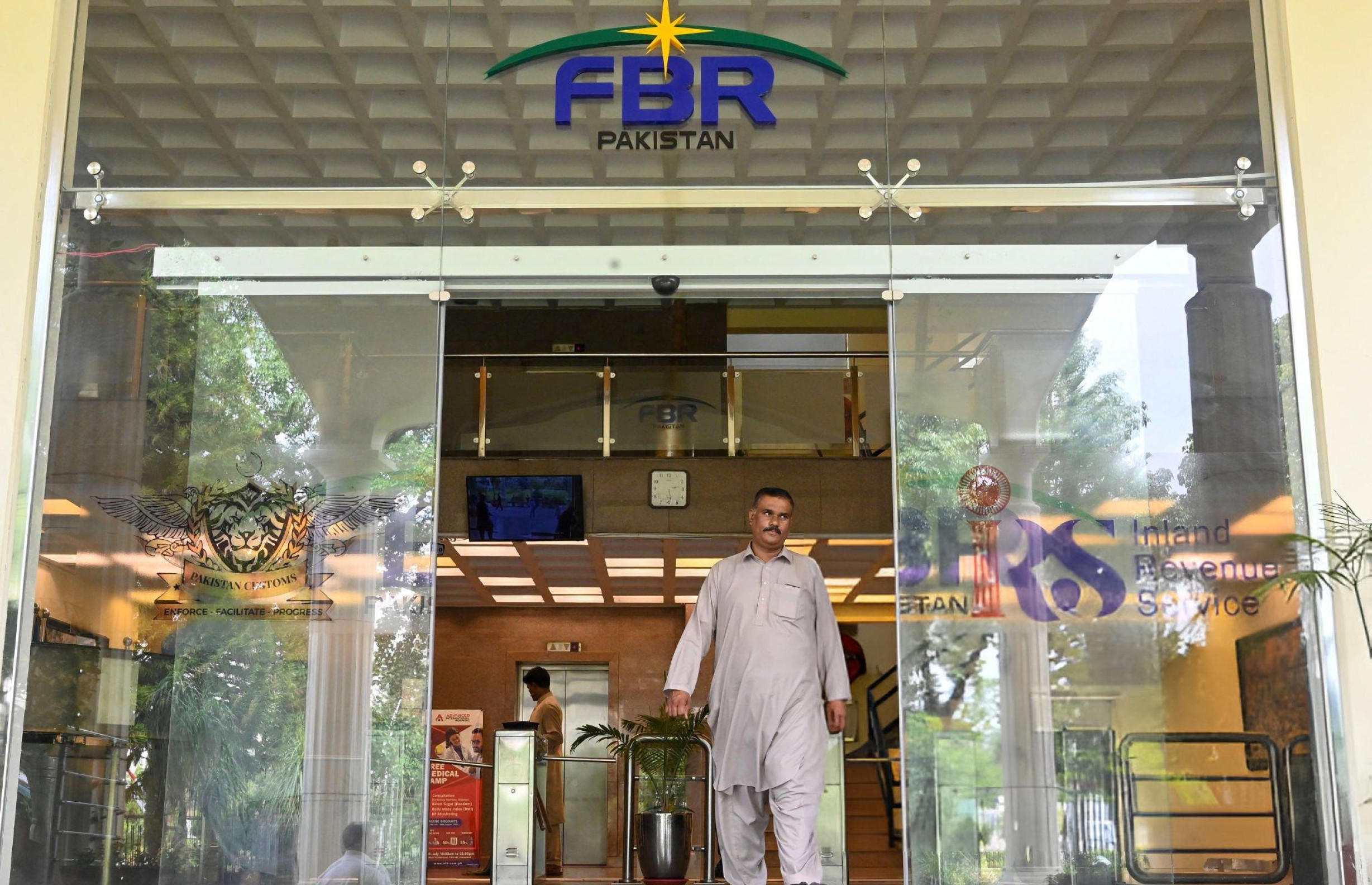
Betel nut import dispute intensifies as MNFSR suspends DPP chief, senior officials

ISLAMABAD: The dispute over delays in implementing revised import conditions for betel nuts from Indonesia escalated sharply on Monday after the Ministry of National Food Security and Research (MNFSR) suspended the Plant Protection Adviser and Director General of the Department of Plant Protection (DPP), Dr Attaullah Khan, along with other senior officials.
Those placed under suspension include Director Technical (Quarantine) Dr Muhammad Basit and several entomologists, following submission of a preliminary inquiry report that pointed to administrative resistance, internal disagreements and alleged procedural irregularities within the department.
According to officials familiar with the inquiry, the preliminary report was submitted on December 22, after a virtual meeting chaired by the Prime Minister and subsequent consultations with the Ministry of Commerce over prolonged delays in enforcing revised betel nut import protocols. The report traced the controversy back to meetings held on August 25, where the existing import regime was reviewed and found wanting due to weak local testing capacity, contradictory laboratory results and repeated litigation.
To address these gaps, revised phytosanitary protocols were drafted on September 29 under the Pakistan Plant Quarantine Rules, 2019, aligned with International Plant Protection Convention (IPPC) standards and the Import Policy Order 2022. The proposed framework envisaged a shift towards offshore compliance mechanisms, including exporter registration by exporting countries’ national plant protection organisations, testing through ISO-17025 accredited laboratories, improved packaging and labelling requirements, time-bound consignments and risk-based clearance through the Pakistan Single Window (PSW).
However, the inquiry found that the version of the protocol notified by the DPP on October 17 differed materially from the one approved by the MNFSR. During later discussions on integration with PSW’s Integrated Risk Management System (IRMS), it emerged that the notified conditions retained mandatory routine onshore inspection and testing, making digital risk-based processing impractical.
The report noted that senior officials opposed exemptions from routine onshore testing on the grounds of quarantine rules and pest-risk considerations, despite proposals for a system-driven approach involving electronic treatment certification, PSW-based declarations, automated release orders and selective inspections triggered through risk profiling.
The disagreement led to prolonged delays and prompted an administrative reshuffle on October 31. However, the move was followed by litigation, absenteeism and further disruption in departmental operations.
The inquiry also flagged a range of alleged irregularities, including mishandling of official correspondence with Indonesia over renewal of citrus export arrangements, reportedly resulting in expanded pesticide residue testing requirements, delays in communication with other trading partners, irregularities in pesticide registrations, continuation of registrations of banned products, alleged fee mismanagement and preparation of disputed court submissions. Trade bodies, including the Rice Exporters Association of Pakistan (REAP), had lodged repeated complaints, some of which resulted in disciplinary proceedings.
Despite the setbacks, the department had initiated steps to move betel nut imports to an IRMS Green Channel regime. Officials said progress remains dependent on issuance of electronic phytosanitary certificates by Indonesia, availability of approved pre-shipment inspection agencies and further system enhancements by PSW.
As an interim arrangement, manual ex-bond filing of goods declarations was halted earlier this month, while Pakistan Customs was directed to process all declarations exclusively through PSW. Import permits issued under earlier conditions were also withheld pending consensus with Indonesian authorities, a step officials described as necessary to safeguard Pakistan’s Kinnow exports, for which Indonesia remains a key market.

The writer is a member of the staff at the Islamabad Bureau. He can be reached at [email protected]
View all articles →Comments
No comments yet. Be the first to join the discussion!