


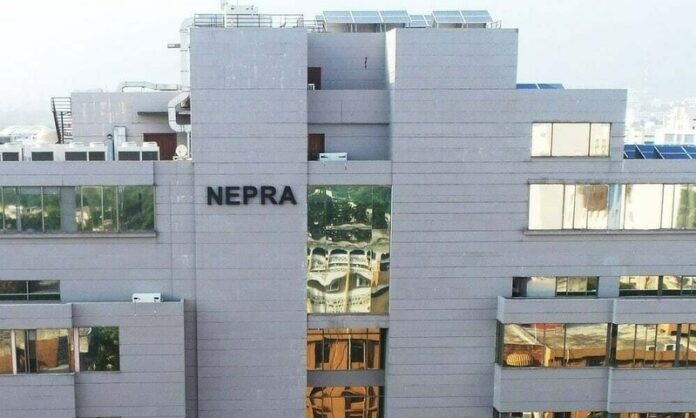
Pakistan’s power sector regulator, the National Electric Power Regulatory Authority (Nepra), has raised serious concerns about safety in the electricity sector. In its Health, Safety and Environment (HSE) performance review for 2024-25, Nepra warned that company executives will be held personally accountable for accidents caused by negligence, weak systems, or outdated procedures.
The review evaluated companies across 20 benchmarks, including accident prevention, contractor safety, emergency preparedness, and HSE governance, covering generation, transmission, and distribution sectors.
The assessment spanned various power plants, including hydel, thermal, coal, wind, solar, and nuclear plants operated by organizations such as Wapda, PEDO, Punjab Power Development Company, CPEC firms, and AJK stations with Nepra-approved tariffs.
Chashma Nuclear Power Station ranked highest in the review, followed by Karachi Nuclear Power Station.
On the other end of the spectrum, the poorest performers included Engro Fertilizers, PEDO’s Daral Khwar Hydropower Plant (HPP), and several Wapda and Punjab Power Development Company stations, along with Faran Sugar Mills and Saif Power Limited.
While only a few utilities earned an “Outstanding” rating, the review revealed persistent weaknesses, particularly in the public sector. K-Electric was lauded for consistently maintaining high safety standards across generation, transmission, and distribution.
Mepco, Gepco, Fesco, and Tesco also received “Outstanding” ratings but showed some fluctuations over the years. Other companies, including Lesco, Hesco, and Qesco, were rated “Fair,” while Iesco, Pesco, and Sepco earned “Good” marks with inconsistencies in key safety areas.
Nepra stressed that high ratings do not necessarily guarantee safety on the ground. The authority warned that unsafe practices could lead to severe accidents, including shocks, explosions, fires, and fatalities. Companies rated “Poor” or “Unsatisfactory” have been urged to address safety gaps immediately and fully comply with the Power Safety Code.