


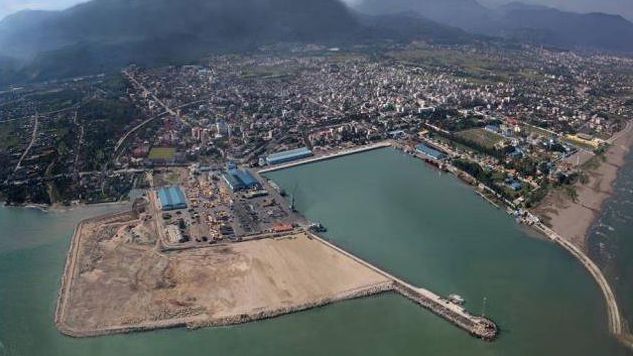
In response to renewed US sanctions, India has transferred approximately $120 million to Iran to fully settle its financial obligations for the Chabahar port project, effectively exiting the strategic gateway to landlocked Afghanistan, The Economic Times reported on Friday.
A government source confirmed that India now has “no liability” in the project, allowing Iran to use the funds independently. The move follows US President Donald Trump’s January 12, 2026 warning that any country trading with Iran could face a 25 percent tariff on all business with the United States. Combined with existing duties, this could have increased tariffs on Indian exports to the US to as much as 75 percent.
India had signed a contract with Tehran in 2024 to develop and equip the long-delayed Chabahar project, gaining a 10-year access window. Last October, it had received a six-month exemption from US sanctions. However, following the reimposition of sanctions, the state-owned India Ports Global Ltd (IPGL) effectively withdrew, with directors resigning en masse and the project website taken down to shield personnel from potential US penalties.
Officials said the decision was driven by a cost-benefit calculation: protecting Chabahar, which accounts for limited trade—India-Iran bilateral trade totals about $1.68 billion—was outweighed by the risk of losing access to the US market. Strategic returns from Chabahar were further diminished due to the Taliban’s rise in Afghanistan and internal unrest in Iran, making the project less viable.
The exit marks a setback for India’s regional connectivity ambitions, removing a key gateway to Afghanistan and Central Asia that bypassed Pakistan and undermining years of diplomatic and financial investment. Analysts note it also exposes limits in India’s “multi-alignment” foreign policy, demonstrating that economic priorities with the US outweigh strategic commitments to Iran.
Industry sources warned that specific sectors, such as basmati rice exports to Iran, could face immediate disruption due to payment and shipment delays. Analysts also suggest that China, with deeper resources and a willingness to challenge US sanctions, may fill the development vacuum at Chabahar, potentially expanding its influence in the Indian Ocean region.
While the move secures short-term economic relief for India, it underscores the trade-offs faced by middle powers navigating an increasingly polarised global order, highlighting the tension between immediate economic security and long-term strategic ambitions.