


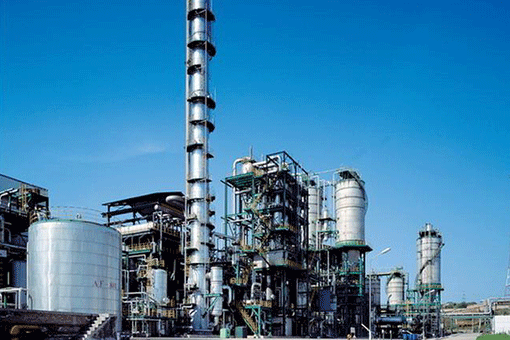
ISLAMABAD:Attock Refinery Limited (ARL), one of Pakistan’s key oil refining facilities, is grappling with a twin challenge of crude shortages and low offtake of refined products, forcing it to temporarily shut down its main crude distillation unit.
The move comes amid ongoing disputes over crude allocation and excessive imports, which industry experts say are driving up costs for consumers.
According to a letter dated January 02, 2026 sent by ARL to the General Manager of the Pakistan Stock Exchange, lower crude supplies from Northern fields in Khyber Pakhtunkhwa and the Potohar region, combined with reduced upliftment of petrol (PMG) and high-speed diesel (HSD) by Oil Marketing Companies (OMCs) in December 2025, have caused unusually high product stocks at the refinery.
To address the situation, ARL announced it will shut down its main crude distillation unit, HBU-I, with a capacity of 32,400 barrels per stream day (BPSD) for 3–4 days starting January 4, 2026. Other crude units will continue operations, along with normal functioning of downstream processing units. The refinery assured that committed volumes and uninterrupted dispatches for January will be maintained during the shutdown.
“ARL will be shutting down its main crude distillation unit (HBU-I) of 32, 400 BPSD capacity for 3-4 days with effect from January 04, 2026. During this shutdown along with normal operation of the downstream process unit,” said ARL letter to PSX.
Other crude units will remain in operation during this shutdown along with normal operation of downstream process units. Committed volumes and uninterrupted dispatches for the current month shall be ensured during the shutdown period, the ARL letter added.
According to industry sources, ARL is grappling with serious operational and market challenges that are affecting national fuel supply and driving up costs for consumers. They said that the refinery is currently forced to operate at only 65–70 percent of its design capacity due to lower crude oil availability from Northern fields in Khyber Pakhtunkhwa and the Potohar region. At the same time, they said the refinery’s products, particularly diesel, are not being fully lifted as some Oil Marketing Companies (OMCs) prefer to reduce their stock during falling price periods or supply imported products in ARL’s designated area, sometimes securing reimbursement for transport costs from the Import Freight Equalization Mechanism (IFEM) pool.
Despite repeated protests from local refineries, the Oil & Gas Regulatory Authority (OGRA) has reportedly continued to allow excessive imports instead of prioritizing upliftment from domestic refineries, as mandated under the Petroleum Rules. OGRA also permits the use of IFEM pool funds for freight even when the products are available from ARL, sources added.
ARL has been operating at only 65–70 percent of its design capacity due to limited Northern crude availability, while some OMCs prefer imported products or reduced stock levels in periods of falling prices, sometimes securing reimbursement for transport costs from the Import Freight Equalization Mechanism (IFEM) pool.
This policy, the sources said, has not only undermined refinery operations but is also adding unnecessary costs to consumers.
As per sources, for more than three years, ARL has been requesting the Petroleum Division to allocate 5,000 barrels per day of Southern field condensate crude, which is currently being exported because no other refinery is willing to process it. Approval delays have directly restricted refinery throughput, affecting overall fuel availability for OMCs and the Armed Forces—both vital for national energy security and maintaining balanced freight economics.
As per sources, transporting finished petroleum products is nearly twice as expensive as transporting crude oil. Consequently, delays in Southern crude approvals have resulted in significant additional costs for end consumers and unnecessary foreign exchange outflows due to higher imports of finished products.
Industry sources also warned that without prompt action to secure Southern crude supplies and prioritize local refinery outputs, the country risks rising fuel costs, strain on refinery operations, and threats to energy security. They urge regulators to ensure efficient coordination between ARL, OGRA, and OMCs to maintain stable supplies and minimize unnecessary financial burdens on consumers.