So you want to have a credit card in Pakistan? Here’s all you need to know
Credit cards are treated with suspicion in Pakistan. But what does the average citizen need to know about holding (or not holding) plastic money
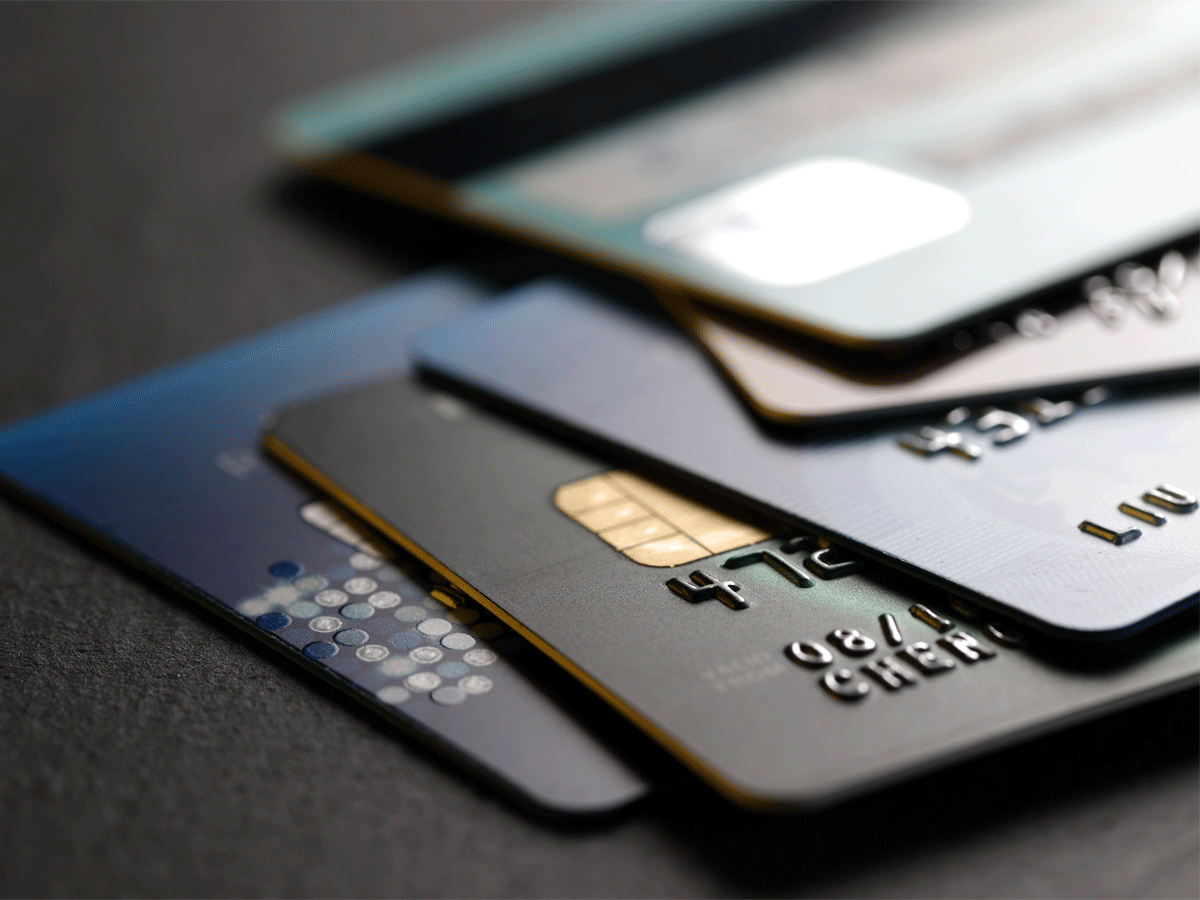
Ahsan knew he had messed up by overusing his credit card. He knew that he didn’t quite understand how the card worked, and that made it easy for him to keep swiping it whenever he needed without thinking much as to the consequences. He also knew that he had spent around Rs 1.5 lakh on the credit card and that eventually he would have to save the money up somehow and pay it back.
Afterall, the bank that had issued the card had been calling and sending mail quite persistently. And while this knowledge was tucked somewhere in the back of his mind, what he did not expect was that one fine day his doorbell would ring and there would be a collection agent on the other side of the door handing him a Rs 5 lakh bill and a dead-eyed warning to pay up - or else.
The first-ever universal credit cards were introduced in the United States in the 1950s. And while plastic money blossomed and evolved over the course of the twentieth century, the first credit card was not introduced in Pakistan until as late as 2005. Nearly two decades later, only 0.76% of Pakistanis hold credit cards compared to 70% of Americans that hold at least one credit card.
A large part of that has been both an inability to and an unwillingness to understand what these cards are, how they work, what benefits they bring you, and what trouble they can get you in. And other than the very real danger of a credit card bill spiraling out of control, there is a lot else to know. Profit brings you the ins, outs, highs, and lows of holding (or not holding) a credit card in Pakistan.
How they work
The perception of this product varies in Pakistan. One section of society associates it with having a higher income, which means that these cards then become status symbols. Others see it as a trap laid by greedy banks to lure them into debt. The perceptions come from incidents that we hear around us, such as the anecdote we began with.
Subscribe to Continue Reading
The rest of this article is available exclusively to subscribers.

The author works as an Editorial Consultant at Profit and can be reached at [email protected]
View all articles →6 Comments
No comments yet. Be the first to join the discussion!