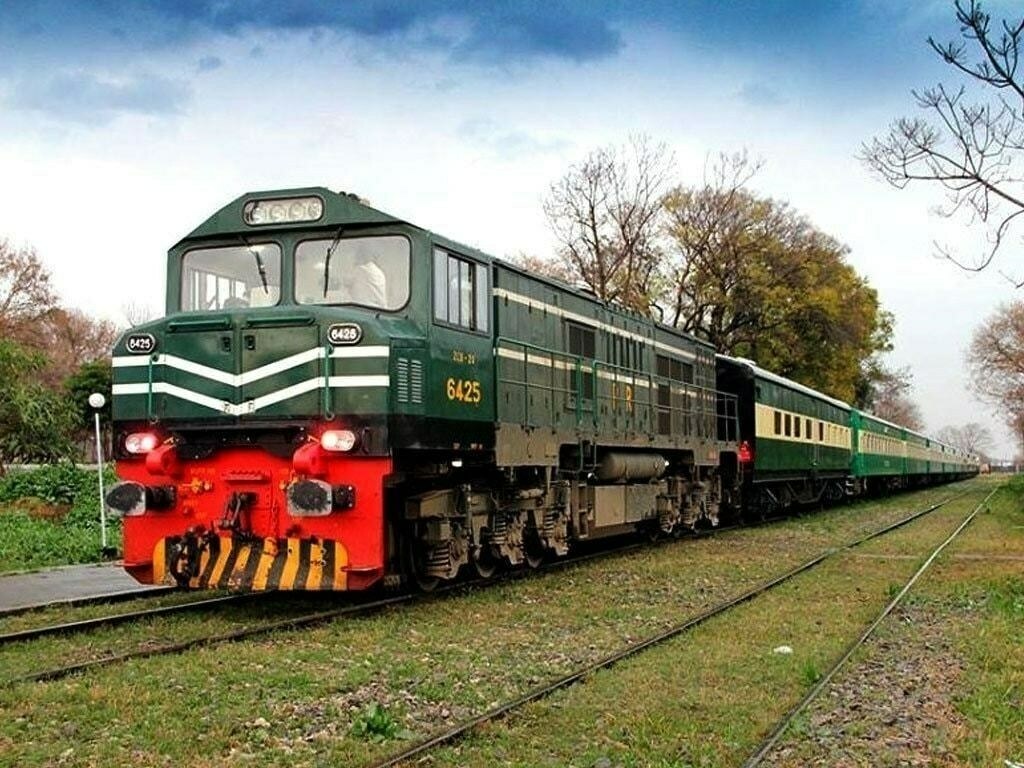
Iran rejected force majeure notice for the Iran-Pakistan Gas Pipeline, has granted ten year extension instead: Musadik Malik
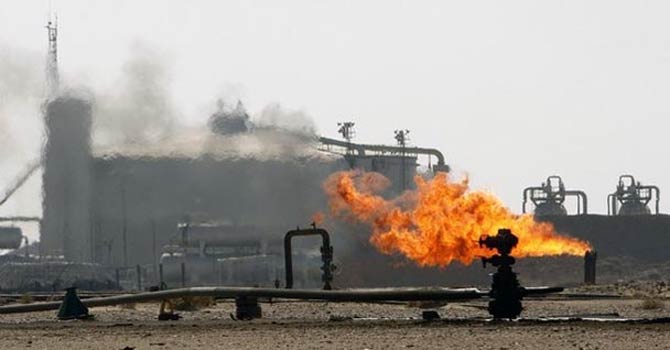
ISLAMABAD: Iran has refused to accept Pakistan's force majeure notice to halt construction of the multibillion-dollar Iran-Pakistan (IP) gas pipeline project and has instead granted two five-year extensions to meet the responsibilities of the IP Project.
Dr. Musadik Malik, Minister of State for Petroleum, while addressing a press conference on Wednesday, highlighted his achievements as State Minister for Petroleum and clarified misconceptions about the Iran-Pakistan (IP) gas pipeline project. The minister also emphasised the country's commitment to finding positive solutions in the face of international sanctions.
According to Malik, Iran refused Pakistan's force majeure notice to halt building of the multibillion-dollar IP gas pipeline project. Instead, Iran has granted Pakistan two five-year extensions to allow it to meet its responsibilities under the project's Gas Sales and Purchase Agreement (GSPA).
Malik stated that Pakistan had issued a force majeure notice to Iran under the GSPA a decade ago, which Iran refused to acknowledge. He emphatically denied recent claims that Pakistan had issued a new force majeure notice. Misinformation circulated during the National Assembly's question-and-answer session was corrected, confirming that Iran's extension of time for commitments extends until March 2024.
He rejected the misinformation regarding force majeure in relation to the Iran-Pakistan Gas Pipeline project and aimed for a cooperative solution on the matter, similar to the approach taken with Russia.
Pakistan is actively engaged with Iranian officials to find a positive settlement in the face of continuous international sanctions, said Musadik Malik, adding that the government is also in contact with international forums to find out the possibility of waivers for the import of Iranian energy.
Minister Malik disclosed that Pakistan is negotiating an exemption from US sanctions for the IP gasline project through diplomatic channels. Work on the pipeline had previously been halted due to US sanctions against Iran, as the US government refused to issue exceptions for petroleum product imports, said Musadik Malik.
Malik highlighted that project activities will restart once the embargo on the importing of Iranian petroleum products was lifted. He emphasised that, in contrast to other countries, the US administration has not offered waivers to Pakistan to import petroleum products from Iran.
Clarifying the penalty clause, Malik stated that there is no punishment in the GSPA, which is based on a take-and-pay mechanism. He stated that if Pakistan fails to meet contractual responsibilities, Iran would determine any potential consequences through legal processes.
During the news conference, Malik also provided insights into the country’s energy diversification plans, such as the monthly delivery of liquefied natural gas (LNG) from Azerbaijan. He emphasised plans for more oil and gas exploration zones, as well as the country's stringent gas strategy.
The minister revealed a $12 billion planned investment in a refinery, facilitated by a Middle Eastern country. Malik emphasised that, while the impact of Russian oil on the public is yet to be determined, it is expected in the near future. He also debunked claims concerning fines for the Iran-Pakistan gas pipeline project, stating that those issues were settled more than a decade ago.
Malik underlined the government's intention to differentiate gas pricing based on income levels, assuring a more egalitarian approach. He acknowledged the difficulties in addressing the LNG circular debt and underlined attempts to improve energy management.
Malik went on to highlight his government's achievements in the oil and gas business. He noted that the ministry was trying to increase energy access, affordability, and sustainability in compliance with the Prime Minister's directive. He stated that the government has implemented a variety of regulations, including a policy for existing refineries. He maintained that the cabinet had accepted the CCOE's approval of the refinery policy.

The author is a an investigative journalist at Profit. He can be reached at [email protected].
View all articles →6 Comments
No comments yet. Be the first to join the discussion!