December 2, 2025
Commerce ministry mulls abolition of Personal Baggage Scheme, tightens used car import regulations
Estimates show local vendor industry lost Rs 50 billion due to used car influx, with significant foreign-exchange impact

December 2, 2025
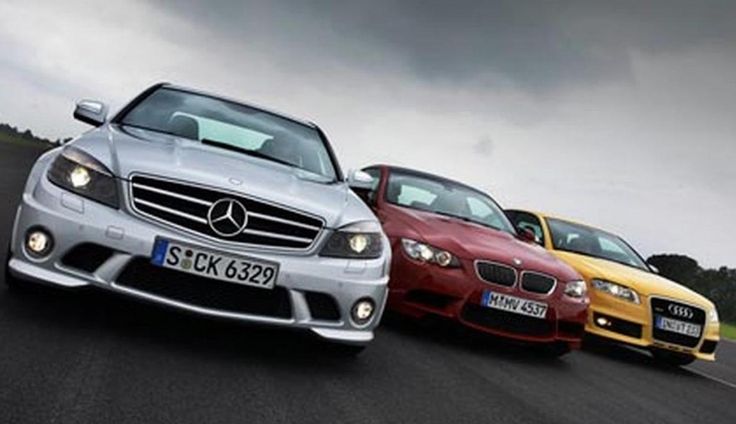
The Ministry of Commerce has submitted a summary to the Economic Coordination Committee (ECC) of the cabinet, proposing the abolition of the Personal Baggage Scheme for used car imports and tightening regulations for the Transfer of Residence and Gift Schemes, The News reported.
The commerce ministry’s move is part of efforts to curb the misuse of the schemes. While the Baggage Scheme is expected to be scrapped, measures to make the remaining two schemes more stringent are under discussion, with the final decision set to be made by the ECC.
The auto sector has strongly opposed the growing trend of used car imports, which has surged following a 2025 notification by the Ministry of Commerce that allowed imports of vehicles up to five years old.
The sector warns that this liberal policy risks harming local manufacturing, which currently comprises around 1,200 factories and generates significant revenue.
Industry figures show that 99% of the 45,758 vehicles imported between December 2024 and October 2025 came from Japan, with the remainder sourced from countries like Thailand, the US, and the UAE.
Despite the auto sector’s concerns, the government is seeking a balanced approach to meet demand while protecting domestic industries. Regional peers like India and Vietnam restrict used car imports to safeguard their local automotive markets, and industry representatives argue that Pakistan’s more lenient approach undermines the country’s manufacturing and localisation efforts.
Shehryar Qadir, Senior Vice Chairman of the Pakistan Association of Automotive Parts & Accessories Manufacturers (PAAPAM), expressed concern that the increase in used-car imports would dilute industrial gains at a time when revitalising local manufacturing is a key priority.
Estimates show that the local vendor industry has lost around Rs 50 billion over the analysed period due to the influx of used cars, which also has a significant foreign-exchange impact. Local manufacturers face higher import costs per vehicle compared to used car importers, many of whom use informal channels for transactions.
As the government drafts a new Auto Policy to boost domestic manufacturing, the debate continues over whether Pakistan can successfully localise its automotive sector while also allowing increased used-car imports. The ECC’s decision on the matter will have a significant impact on the future of the country’s auto industry.
Our monitoring team diligently searches the vast expanse of the web to carefully handpick and distill top-tier business and economic news stories and articles, presenting them to you in a concise and informative manner.
View all articles →0 Comments
No comments yet. Be the first to join the discussion!