December 2, 2025
NA panel to take up taxation on imported mobile phones on Wednesday
Meeting set to review key issues related to the taxation of imported mobile phones, with special focus on challenges faced by overseas Pakistanis

December 2, 2025
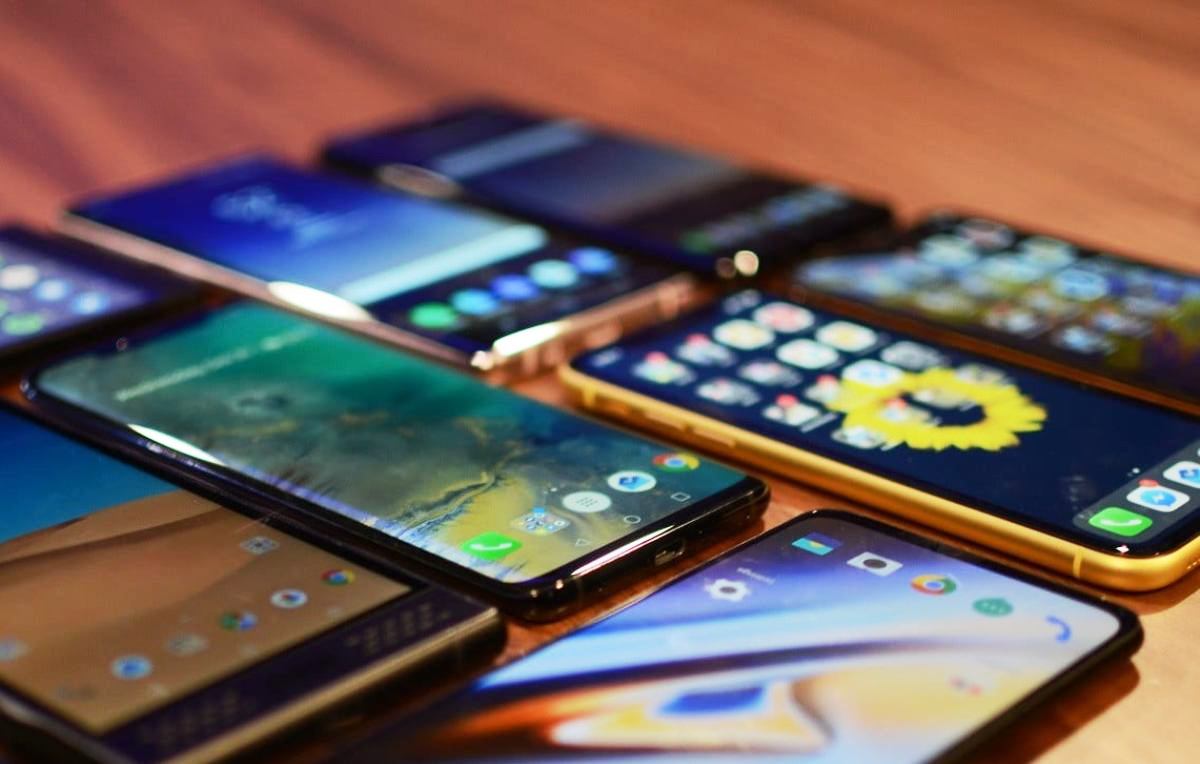
ISLAMABAD: The 20th meeting of the National Assembly’s Standing Committee on Finance and Revenue scheduled to be held on Wednesday is set to take up taxation, valuation, and limits for overseas Pakistanis brining new and used/refurbished mobile phones into Pakistan.
The meeting is set to review key issues related to the taxation of imported mobile phones, with a special focus on challenges faced by overseas Pakistanis. According to the revised notice issued by the National Assembly Secretariat, the session is scheduled to be held on Wednesday in the Constitution Room of the Parliament House, Islamabad.
A major agenda item is the joint briefing by the Chairman of the Federal Board of Revenue (FBR) and the Chairman of the Pakistan Telecommunication Authority (PTA) on taxation, valuation, limits and formalities applied on overseas Pakistanis bringing new or refurbished mobile phones into the country. The issue has remained under public debate due to the high taxes collected during the PTA’s IMEI registration process.
The Committee chair has specially invited MNA Makhdoom Syed Qasim Gillani, who has been actively advocating for a rationalised tax regime for imported mobile phones across various forums, particularly on X (formerly Twitter). His consistent calls for easing the tax burden on consumers and overseas Pakistanis have brought the matter into mainstream policy discussion.
Ahead of the committee meeting, President of the Federation of Pakistan Chambers of Commerce & Industry (FPCCI), Atif Ikram Sheikh, formally wrote to the FBR Chairman and the finance committee chairpersons of both houses (National Assembly and Senate) on December 1, 2025. In his letter, he highlighted serious concerns of the business community over the current tax slabs imposed during the IMEI registration process—publicly referred to as the “PTA tax” but collected by FBR.
The letter emphasised that mobile phones are no longer luxury items but essential tools for communication, commerce, financial inclusion and digital access. It argued that the existing tax framework has increased the cost burden on consumers, discouraged legitimate imports, and negatively impacted local businesses as well as Pakistan’s broader digitalisation goals.
The FPCCI urged the FBR to review and rationalise the tax slabs applied on imported mobile devices and proposed forming a joint working group comprising FBR, PTA, the Ministry of IT & Telecom, and FPCCI to develop a more balanced and growth-oriented taxation structure.
According to the FPCCI, a rationalised tax regime would help discourage grey-market inflows and enhance government revenue by encouraging higher legal import volumes instead of relying on high per-unit taxation. It would also support local assembly and manufacturing, improve digital access for youth, freelancers and small businesses, and strengthen Pakistan’s overall digital ecosystem, including its readiness for future 5G adoption.
The Standing Committee’s meeting will also take up multiple financial and legislative matters, but the FPCCI’s concerns and the PTA–FBR briefing are expected to draw significant attention amid rising calls from the public and parliamentary circles to reduce the financial burden on mobile users and overseas Pakistanis.
The business community has expressed readiness to provide data-driven proposals, hoping the committee’s deliberations will pave the way for a more predictable, affordable and business-friendly mobile phone tax regime.
The author is a an investigative journalist at Profit. He can be reached at [email protected].
View all articles →0 Comments
No comments yet. Be the first to join the discussion!