
How Yango is conquering Pakistan’s last mile delivery
Yango entered and dominated the ride hailing market at a time when its architects were hitting the quit button. How will they fare in the delivery business?
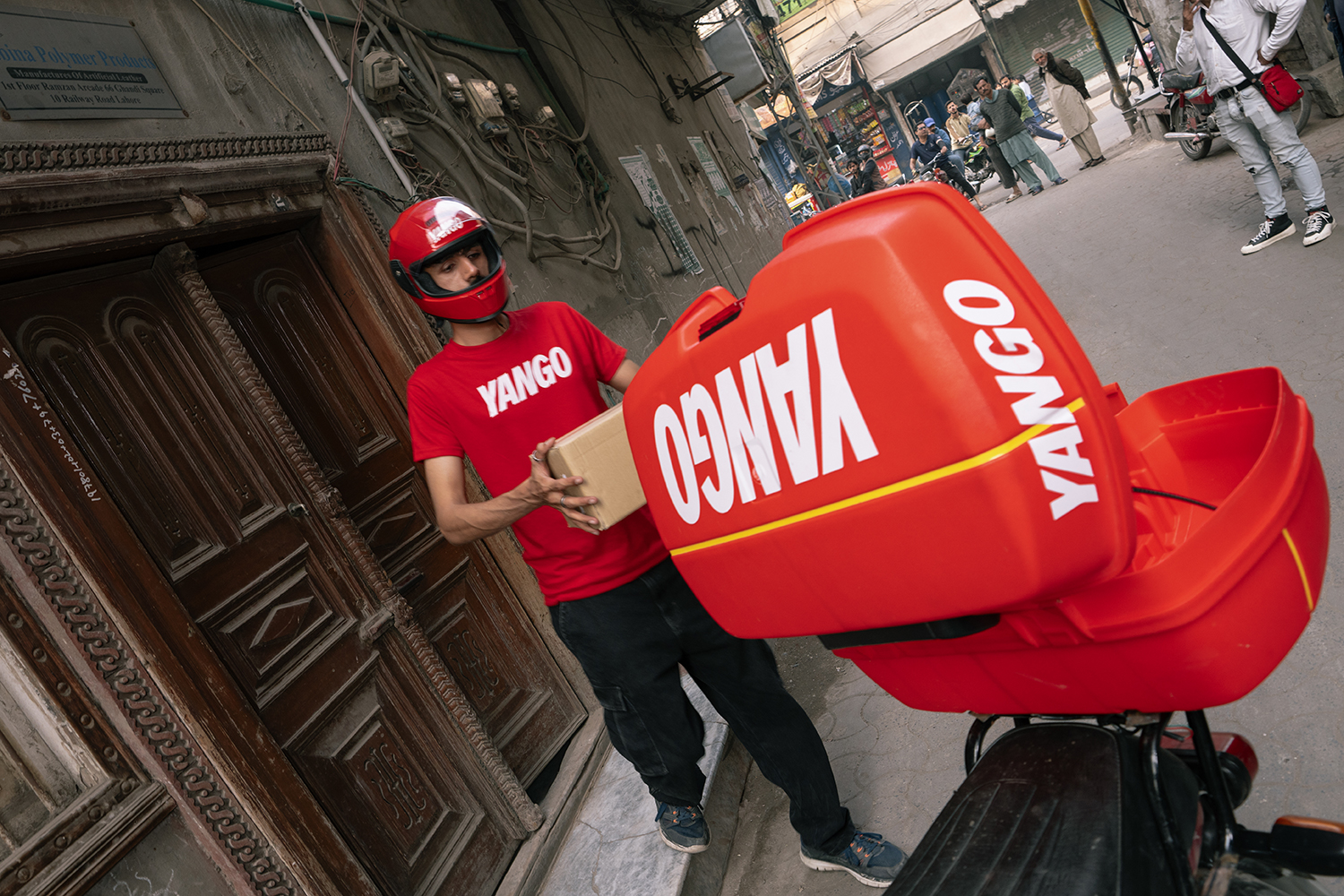
In the choked arteries of Karachi, on Lahore’s wide avenues, and on the quiet Islamabad highways, a new colour has begun to dominate the streets. Red-helmeted motorbikes swiftly weave through traffic jams, ferrying everything from urgent medicines to forgotten laptops. The riders wear the unmistakable crimson of Yango, the Dubai-headquartered tech company that few Pakistanis had heard of three years ago. Today, in the cut-throat world of express delivery, Yango claims to be the undisputed leader — a remarkable feat in a market that has chewed up and spat out bigger names.
It is a story that begins not with parcels, but with passengers. And it is being driven, in no small part, by a young Pakistani executive who once helped Foodpanda push beyond biryani and into pharmacies and supermarkets.
The man at the centre of it is Mohammad Ahsan Akbar, Regional Head for South Asia at Yango Delivery. When we connect over Zoom — Ahsan is at home in Karachi nursing a stubborn flu, voice slightly hoarse but energy undimmed — he is still buzzing from the latest internal numbers. “In 18 months, we went from zero to market leadership in express,” he says, eyes lighting up even on a grainy video feed. Bykea has been here for almost a decade. We overtook them in one-and-a-half years.”

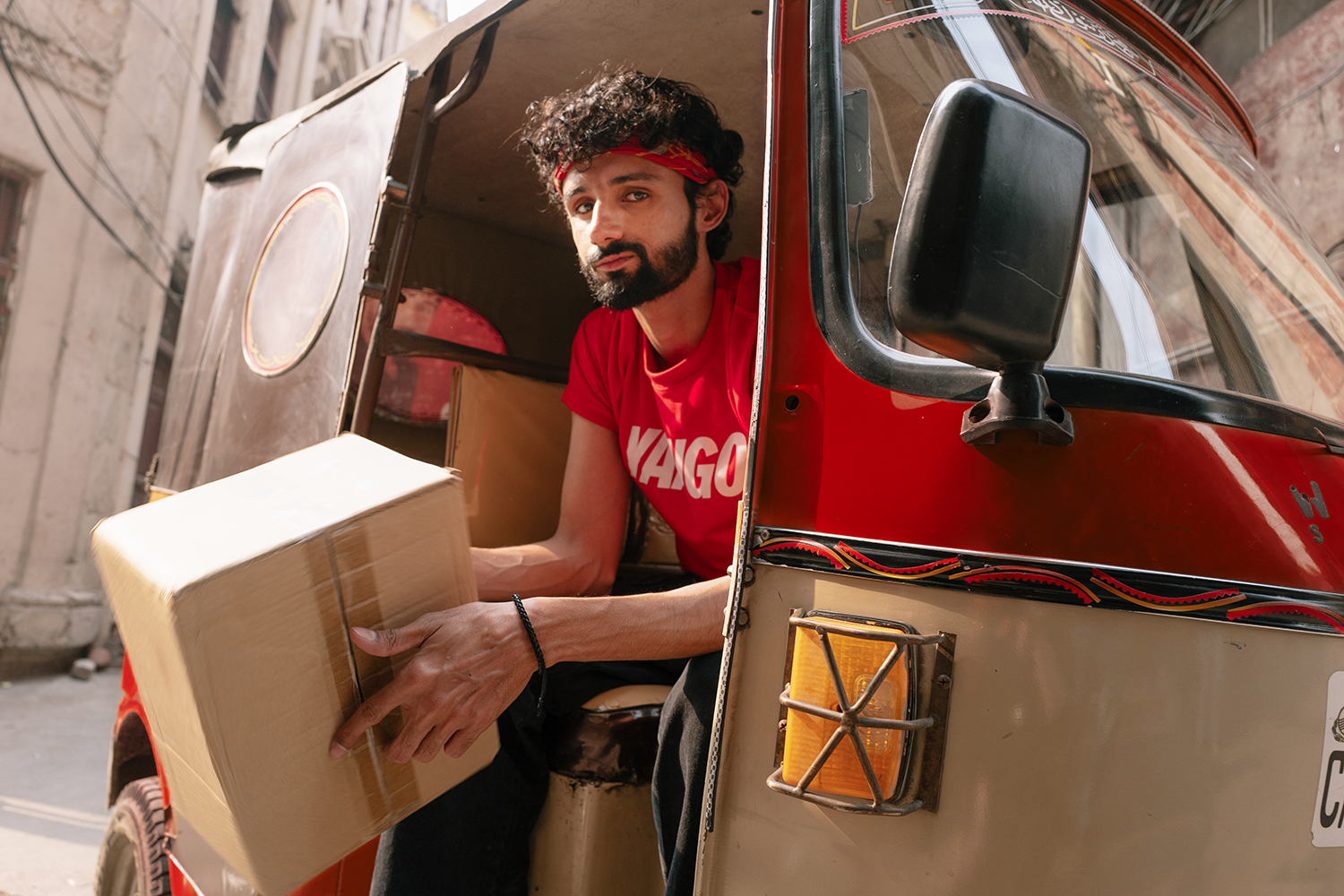
The claim is bold, and independent data on Pakistan’s opaque logistics sector is scarce. Yet anecdotal evidence from retailers, pharmacies and e-commerce players supports it: Yango’s red bikes are suddenly everywhere, and its promise of delivery in under an hour (often at prices 15-20 per cent below rivals) has proved addictive in a country where speed and affordability trump everything else. On any given day the top categories racing through the city are food, clothes, medicine, documents, and electronic gadgets — the daily essentials of a young, urbanising population.
Today Yango operates in more than 30 countries across Africa, Latin America, the Middle East and South Asia. Its global playbook is simple but ruthless: enter as a low-cost ride-hailing player, learn the in’s and out’s of the market, focus on ‘local first’ strategies, leverage the driver supply and use global technologies to basically update services and mix solutions to find the exact combination for each specific market. In short, stitch everything together beautifully into a “super app” — ride-hailing, parcels, groceries, even fintech in some markets. It is the same vision Careem once sold investors (and Pakistanis) before Uber acquired it in 2019 and later wound down the ride-hailing business here in 2025, citing unsustainable economics.
Yango launched ride-hailing in Pakistan in mid-2023, starting quietly in Lahore, Islamabad and Rawalpindi. The timing could hardly have been better. Uber had already exited the country in 2022, selling its local operations to focus on more profitable markets. Careem, now under Uber’s umbrella for ride-hailing, was raising prices to chase profitability amid soaring fuel costs and a depreciating rupee. InDrive, the bidding-based app from Latin America, and local hero Bykea were gaining ground with motorbikes and aggressive pricing, but neither had the global tech muscle Yango possessed.
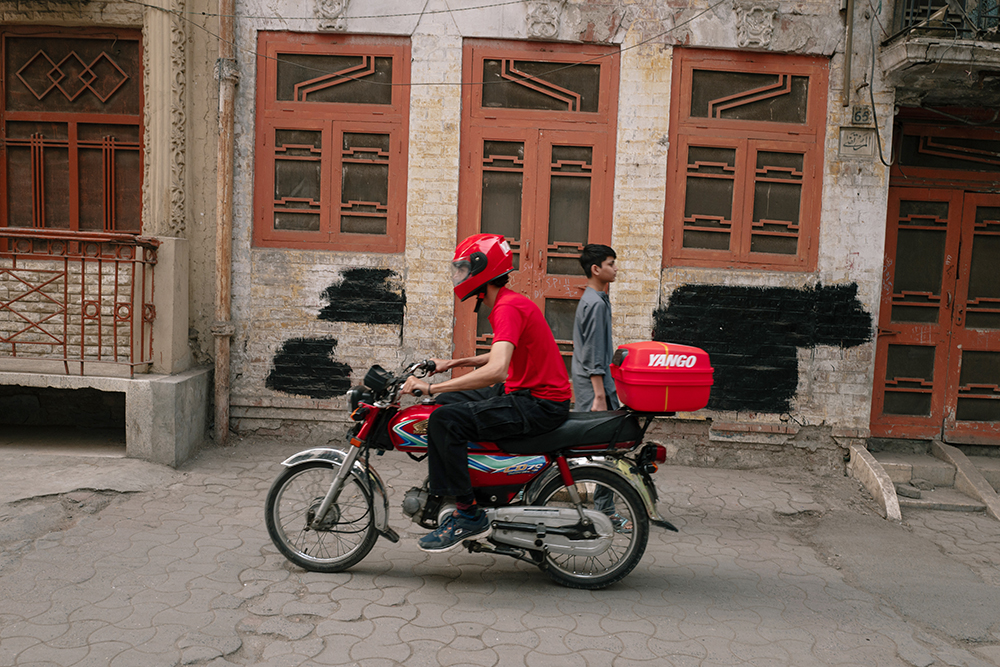
It was brilliant as far as timing was concerned. While Bykea and InDrive were battling it out in the bikes space because of the rising cost of fuel, Yango came in with lower prices and started tucking into the market that Careem and Uber had created for ride hailing. Careem, a name that has become synonymous with ride hailing in Pakistan and was a brilliant business in its own right, tried to make the super app happen. It did not work for them and in the process they began to lose their ride hailing business as well. Which is why when Careem quit the ride hailing business in Pakistan in June 2025, not many were surprised. But with the market essentially captured, Yango proved they had swooped in at exactly the right time.
“Super App is our global strategy which has successfully helped us to win over multiple markets and geographies,” Akbar explains. “The main value proposition behind this approach is convenience for the customers at one stop based on a strong ecosystem.”
The Pivot That Changed Everything
Mohammad Ahsan Akbar’s own journey mirrors Yango’s trajectory in Pakistan. A 2015 IBA graduate, he cut his teeth in software consulting — Oracle and Microsoft implementations, project sales, stints in Singapore and Australia. When Covid-19 hit, he saw e-commerce and fintech exploding and jumped ship to Foodpanda, then the undisputed king of food delivery in Pakistan.
Foodpanda was hungry for growth beyond restaurants. “They were looking to expand into non-food segments such as groceries, pharmaceuticals, gifting, apparel etc,” Akbar recalls. Hired as manager non-foods, he quickly leveraged his B2B contacts. “Because I had software consulting and sales experience my relationships in B2B were quite strong. Very quickly I was able to bring good opportunities.”
The result was pandago — Foodpanda’s on-demand logistics arm — and partnerships with major pharmacy chains and grocers like Al-Fatah and Naheed Supermarket. “You might remember a time when DVAGO was delivering via 3PL companies in 3-4 days and we made our aim to get medicines to people within a few hours,” he says, grinning at the memory.
After three-and-a-half years heading pandago (later rebranded panda go), Akbar began to feel the limits of Foodpanda’s vision. Delivery was an add-on, not the core. Then, in early 2024, Yango came calling.
“Yango reached out to me looking to build an end-to-end logistics system,” he says. “Foodpanda’s core business was something different and I felt Yango’s vision aligned with mine, and I took on this challenge.” He joined as Country Manager for Yango Delivery in March 2024. Within weeks the first red bikes hit the streets.
Learning from the Graveyard of Ambition
Pakistan’s delivery market is not virgin territory. Careem Express tried and largely retreated. Foodpanda’s pandago remains strong in certain niches but has never dominated pure-play express logistics. Daraz relies on third-party logistics giants like TCS and Leopards for anything beyond same-day. Bykea and InDrive have parcel services, yet neither has achieved the scale or speed Yango now flaunts.
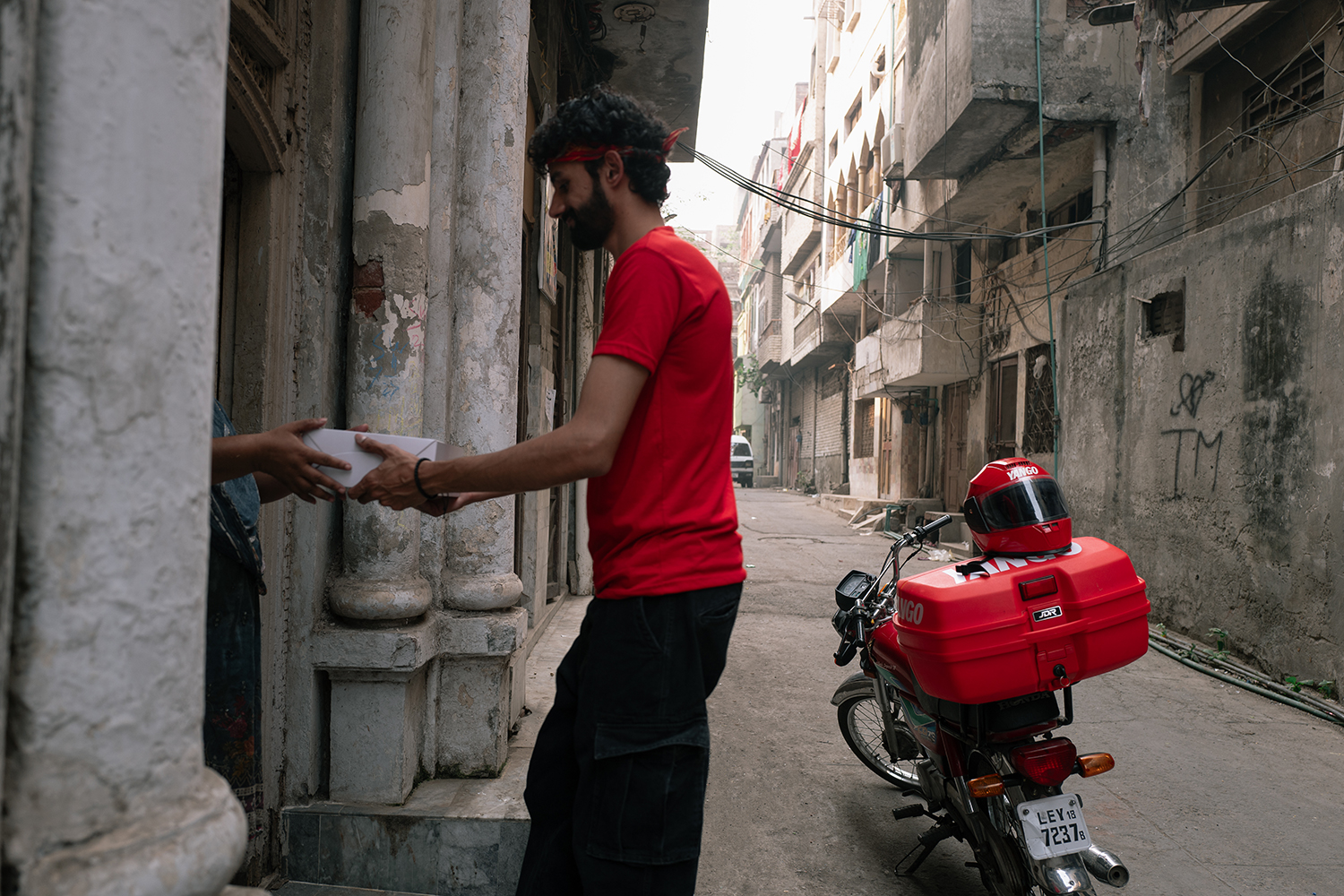
“What sets Yango apart is a mix of added features and operational excellence,” Akbar insists. “We researched the market well enough to understand the requirements for express delivery and added features like multi-stops, easy UI/UX, affordable options, picture upload of address location to guide drivers, variety of delivery options to cater different consumer needs, real-time tracking, and most importantly free insurance.”
Free insurance on every parcel — unheard of locally — has become a calling card. “Our insurance coverage reinforces trust,” Akbar says. “It’s one of the reasons drivers and users choose Yango. The claim rate has remained low thanks to efficient safety measures and real-time tracking. It’s an investment in reliability and trust, not a financial risk.”
Affordability is the other pillar. Yango usually offers the best rates in the market- one can say true ‘value for money’. When pressed on how this is sustainable, Akbar is careful: “We are more focused on continuously trying to add value to our services to meet market demand. This is definitely aided by our technology and operational efficiency advantage. Our focus is never to get into price wars.”
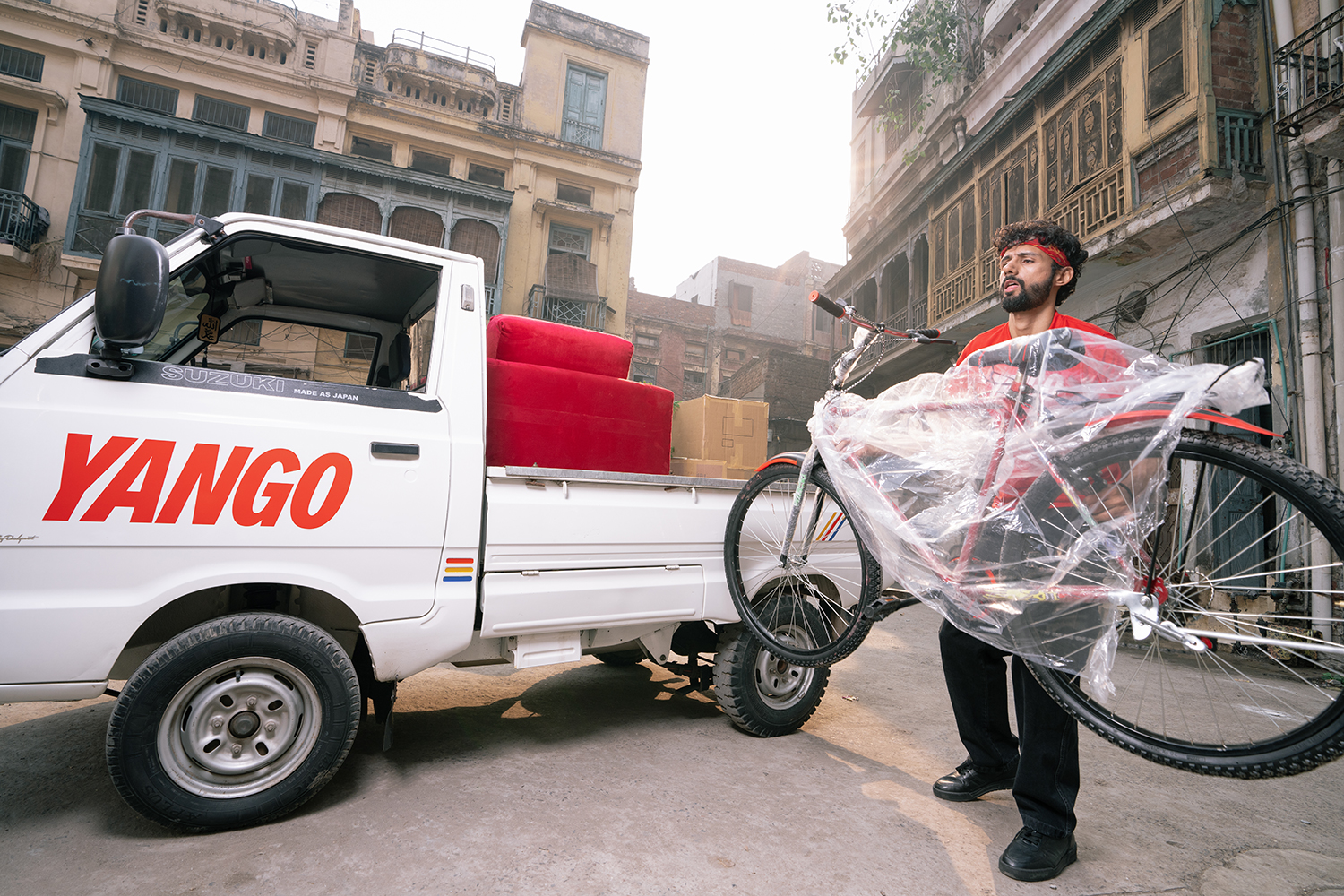
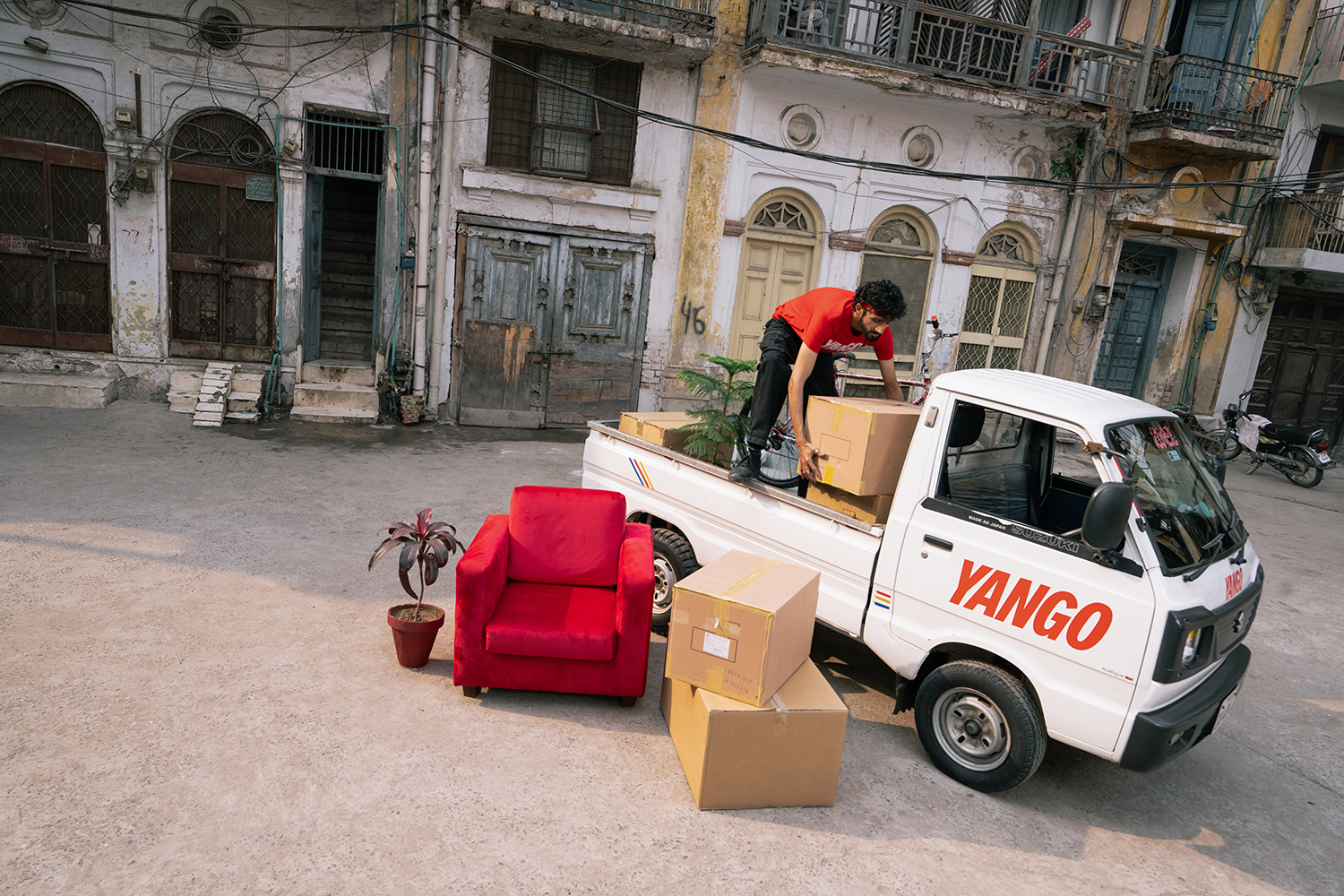
Behind the scenes, Yango’s algorithms — battle-tested in dozens of emerging markets — optimize routing and driver allocation with an efficiency local players struggle to match. Multiple vehicle classes (bikes for small parcels, cars, rickshaws, even cargo vans and trucks) allow the company to maximise utilisation of the same driver pool that powers its ride-hailing arm.
“This is our vision to ensure the promise to deliver,” Akbar explains. “The decision to have multiple delivery options was based on two things. First is simply to cater to different needs of the consumer and second was to optimise the output from our given supply ecosystem to maximise gains for both consumer and driver.”
The Super-App Dream, Pakistani Edition
Yango’s endgame is the same one that eluded Careem: the everything app. In Latin America and parts of Africa, the Yango app already bundles ride-hailing, food delivery, groceries, cargo and parcel services, kicksharing, navigation and public transportation services. Pakistan is moving fast in that direction. Grocery delivery via partnership with DealCart launched in Karachi in 2025; cargo services — Akbar’s personal favourite — are scaling rapidly.
“Cargo is my favourite business stream,” he says, enthusiasm bubbling over despite the flu. “We as a team are so excited to scale cargo as we feel it is one of the most disruptive initiatives that we have taken in Pakistan. Currently cargo-related requirements are mostly catered offline. We are trying to digitise this entire process where now people, and SMBs can easily book a cargo ride to deliver bulkier stuff from Point A to Point B in just a few taps.”
Small and medium businesses form the backbone. “SMBs account to a significant share of our cargo business,” Akbar notes. “Simply because it’s so easy to book an order and get items delivered. We save cost and time for businesses so that they can focus more on their core business requirements.”
Cross-service usage is climbing. “A significant percentage of users now engage with multiple Yango services and this number is improving every month,” Akbar reveals. “We encourage this through in-app rewards, bundled offers, and seamless navigation between verticals.”
The Challenges Beneath the Red Wave
For all the momentum, cracks exist. Pakistan remains a brutal market. Inflation hovers stubbornly, fuel prices gyrate, and regulatory oversight of ride-hailing and delivery is patchwork at best. Driver protests over commissions flare periodically.
Akbar is candid about the headwinds. “Pakistan’s urban mobility and delivery sectors face challenges of inflation, regulation, and fuel price volatility,” he acknowledges. “We constantly adjust our pricing and incentives to reflect market realities. Technology helps reduce the impact of rising fuel costs through optimised routing. Additionally, bonus programs help drivers maintain steady earnings even in volatile conditions.”
On the super-app question, he draws a clear line from Careem’s missteps: “Read the consumer pulse and needs. Don’t limit your business growth by your product limitations. Build your service/product around the needs of the customer… It has to be a continuous improvement process. Long-term sustainability and adaptability are really helping us grow faster in the market.”
A Fragmented Giant in the Making?
Pakistan’s logistics sector remains astonishingly fragmented — thousands of small fleet owners, traditional 3PLs, informal couriers. Yango’s ambition, Akbar says only half-jokingly, is nothing less than to knit it together.
“At a more strategic level, our main goal is to integrate the fragmented structure of the delivery/logistics business in Pakistan,” he declares. “While we have taken a start from express last-mile, the option of multiple kinds of vehicle gives us the base to build a more diversified delivery operational network. Hopefully this will be witnessed by our customers in Pakistan very soon.”
Whether Yango can avoid the fate of predecessors — Careem’s retreat, Uber’s exit, Foodpanda’s partial pivot — remains to be seen. What is undeniable is that, for now, the red wave is surging. In a country where digital convenience is still a novelty for millions, the sight of a Yango bike screeching to a halt with your forgotten medicine or last-minute gift has become oddly reassuring.
As Mohammad Ahsan Akbar signs off from the Zoom call — pausing to cough, then flashing one last grin — he checks the app on his phone — another red dot racing across the map. “Localization is at the heart of our model,” he says. “‘Going Local’ is one of our top values at Yango… Pakistan isn’t just another market for us but a partnership built on relevance and real impact.”
If the red bikes keep multiplying, Pakistan’s chaotic streets may yet find their unlikely organiser.
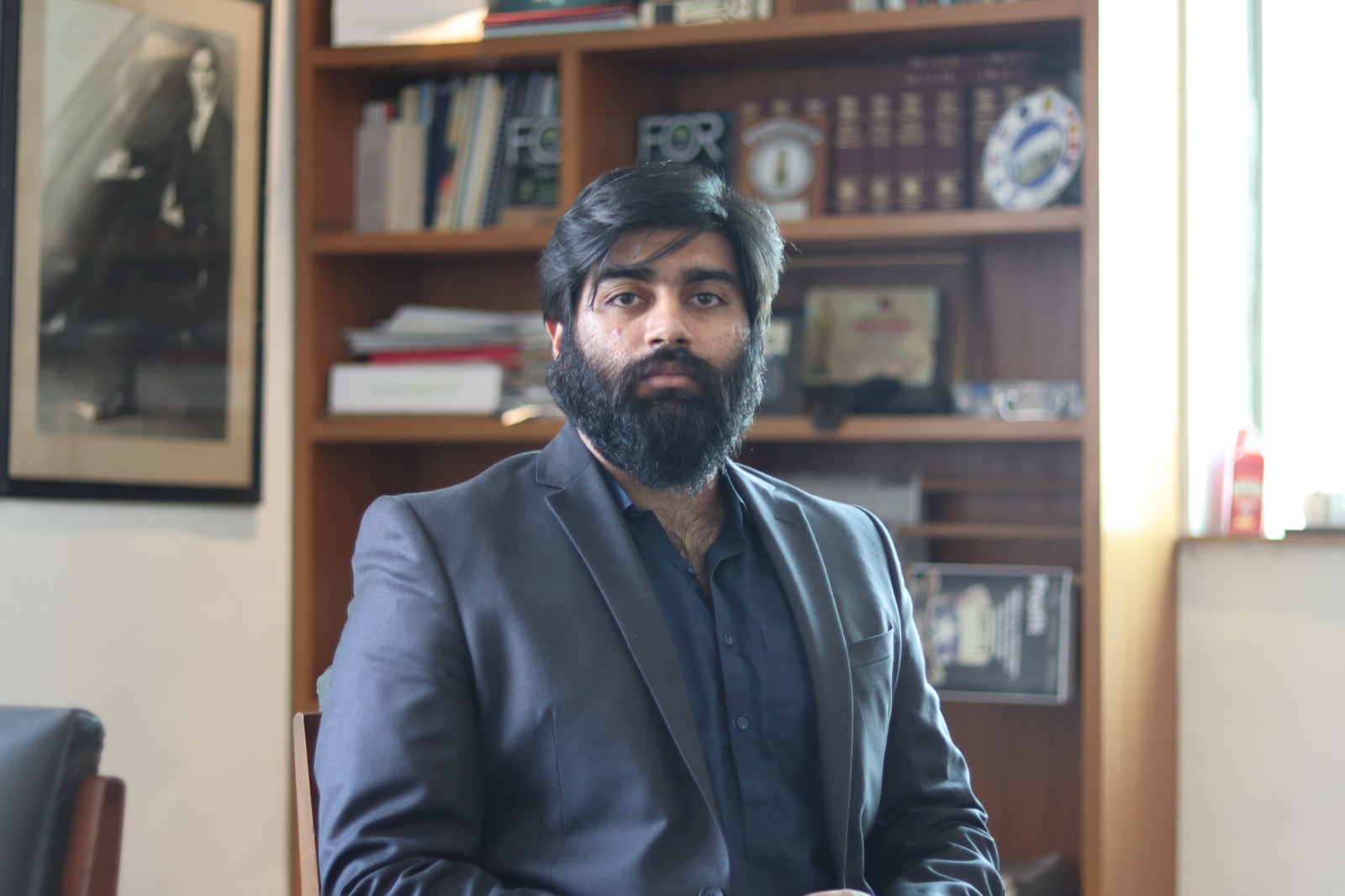
Abdullah Niazi is senior editor at Profit. He can be reached at [email protected]
View all articles →2 Comments
No comments yet. Be the first to join the discussion!


