December 10, 2025
Asian investors turn to Gulf debt for yield and growth amid uncertainty
As Gulf bonds offer higher yields, Asian investors increase exposure to the region, diversifying from US assets

ABU DHABI/SINGAPORE: Asian investors are increasingly investing in Gulf bonds and loans, attracted by the region’s strong growth prospects and the higher yields offered compared to other markets. With the uncertain economic outlook in the US and China, Gulf nations have become an appealing option for investors seeking stability and returns.
Bond issuance in the Middle East and North Africa (MENA) region has surged by 20% year-on-year, reaching $126 billion in the first nine months of 2025, with full-year records expected in both MENA and broader emerging market debt sales.
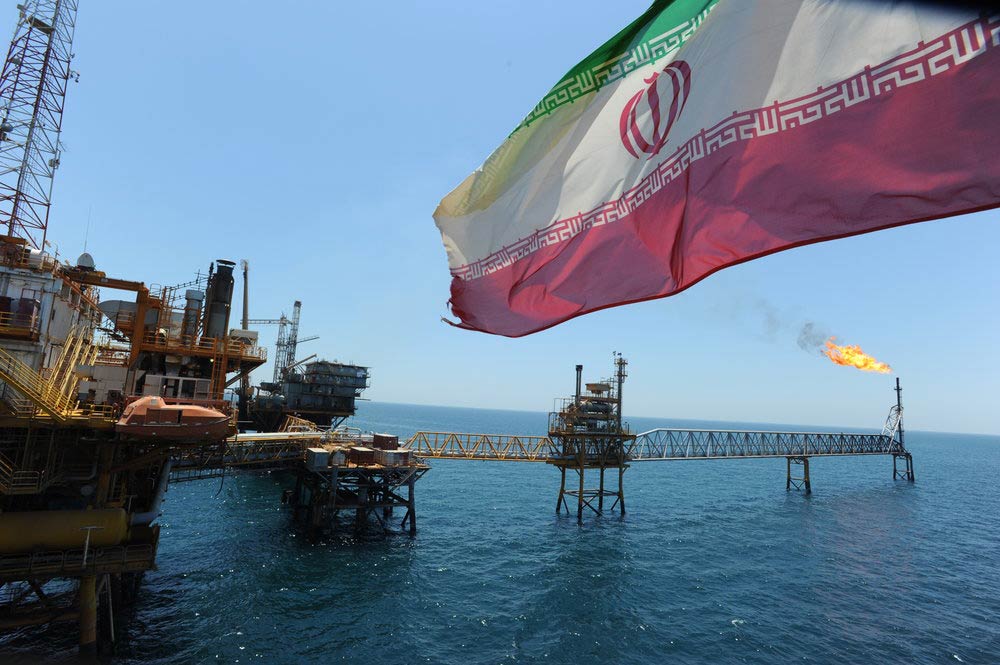
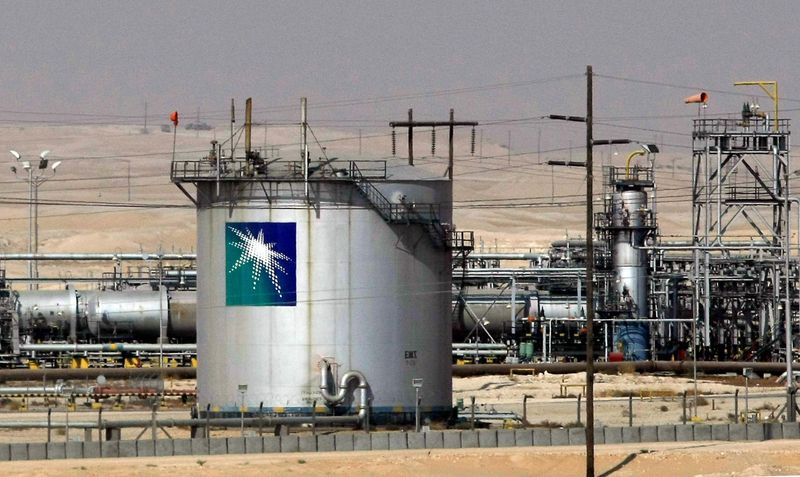
The growth is largely driven by the six-member Gulf Cooperation Council (GCC), whose efforts to diversify their oil- and gas-dependent economies have led to rising financing needs.
“Chinese investors have become more comfortable with the region and are increasingly investing in bonds and loans,” said Nour Safa, head of debt capital markets for MENA at HSBC. Data shows that syndicated loans in the Middle East, originating in Asia-Pacific, more than tripled to over $16 billion in 2025, compared to less than $5 billion in 2024.
With the Chinese economy slowing and the US focusing on tariff policies, the Gulf’s solid growth outlook makes it an attractive alternative for investors. The International Monetary Fund (IMF) projects 3.9% growth for the region in 2025, with further acceleration expected in the following years. By contrast, global growth is expected to slow to 3.1% in 2026.
“Investors are becoming more cautious about U.S. Treasuries and are diversifying into alternate markets,” said Oliver Holt, Nomura’s head of debt syndication in Singapore. He added that government-backed issuers from the Gulf are particularly appealing due to their strong credit fundamentals.
Trade between the Gulf and Asia continues to deepen, with Gulf-Asia trade reaching a record $516 billion in 2024, nearly double the value of the region’s trade with the West. Ritesh Agarwal, head of debt capital markets at Emirates NBD Capital, noted that Asian hedge funds, asset managers, and private banks have significantly increased their allocations in Gulf debt over the past 12 to 18 months, with average Asian allocations now ranging between 15% and 20%.
As Gulf bonds offer higher yields than their Asian counterparts, demand for Gulf investment-grade bonds has surged. For instance, 40% of Qatar’s $1 billion bond issue was purchased by Asian investors, despite it being priced just 15 basis points over U.S. Treasuries.
Chinese interest in Gulf debt is also growing, with several Gulf borrowers planning to issue bonds in yuan on China’s domestic fixed-income market. These so-called “Panda bonds” could open access to China’s $20 trillion market, with early issuances already occurring in Singapore and Sharjah.
With Gulf bonds offering competitive yields and the region’s economic growth promising stability, Asian investors are diversifying their portfolios, positioning the Gulf as an attractive investment destination amid global uncertainties.
0 Comments
No comments yet. Be the first to join the discussion!