
SNGP to install 300,000 LNG connections this year
The gas utility struggles with declining domestic production and reduced demand from its power sector customers

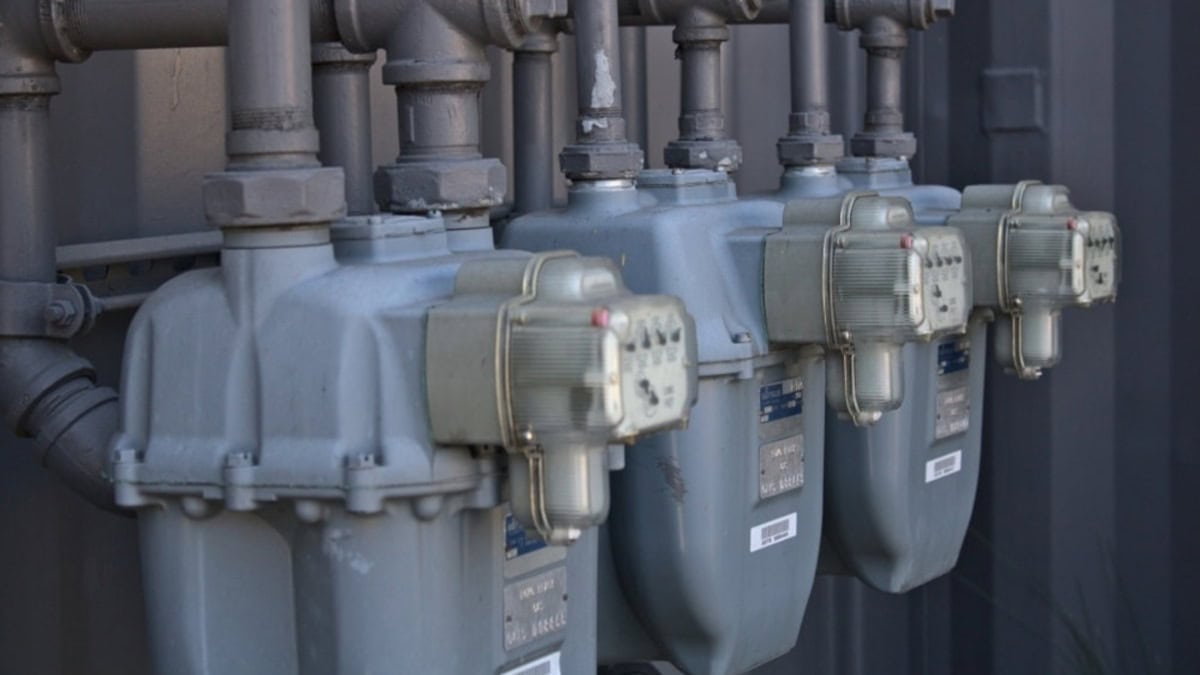
Sui Northern Gas Pipelines (SNGP) is positioning re-gasified liquefied natural gas (RLNG) as a mass-market product for households, with management telling analysts it plans to install 300,000 RLNG connections in FY25, and then 600,000 connections annually in the years that follow. The scale is notable in a sector where new domestic gas connections were long constrained by shortages and policy bans; in effect, RLNG connections are being pitched as the workaround that lets the network keep expanding even as indigenous gas availability shrinks.
The early demand signal has been strong. Management said 50,000 RLNG connections were provided within 1.5–2 months, a pace that suggests latent demand from households that either remained unserved or were forced into costlier alternatives. The pitch is as much about economics as convenience: SNGP argued the average cost of RLNG is 30% lower than LPG, while also being “more convenient and safer”.
SNGP’s evolving RLNG proposition is also arriving at a moment when Pakistan’s gas system is being forced to adapt in multiple directions at once. Management said two RLNG cargoes will be diverted monthly, while it expects an improvement in forced curtailment from local E&P fields. The subtext: the system is oscillating between shortage management and surplus management – sometimes in the same year – because demand, supply, and contracted LNG volumes do not move in lockstep.
Pakistan’s LNG story is now a decade old, and it was born from depletion anxiety. Domestic gas production peaked in the early 2010s and began declining thereafter, while proven reserves also fell in the absence of major new discoveries, widening the demand–supply gap. A separate assessment of Pakistan’s “shift from domestically produced gas to LNG” similarly notes domestic production and proved reserves have been declining, accelerating the move towards imported LNG.
Subscribe to Continue Reading
The rest of this article is available exclusively to subscribers.
Comments
No comments yet. Be the first to join the discussion!


