


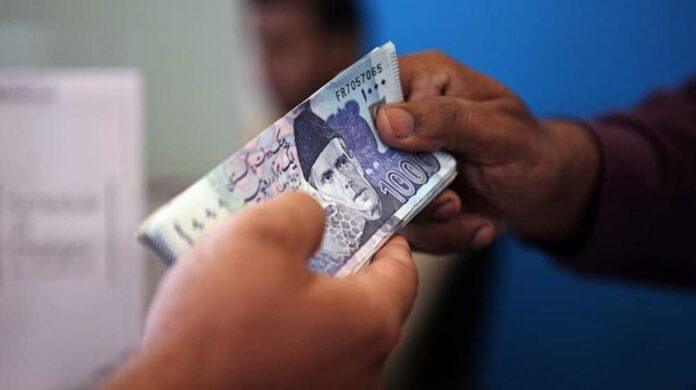
Pakistan’s average monthly wages increased by about 62% over the past four years, according to the Labour Force Survey (LFS) 2024–25, but high inflation during the period has raised questions about gains in real purchasing power.
Data released by the Pakistan Bureau of Statistics show that the average monthly wage rose from Rs24,028 in LFS 2020–21 to Rs39,042 in 2024–25. The increase, however, coincided with sharp price pressures, including inflation above 29% in 2021–22 and elevated levels in subsequent years.
The survey indicates uneven wage growth across sectors. Average monthly pay in the formal sector increased from Rs34,964 to Rs54,038 over the four-year period, reflecting a rise of about 54.5%. In contrast, informal sector wages—covering a majority of the workforce—rose from Rs17,529 to Rs30,834 per month.
PBS said standard statistical methods were applied in compiling the survey but acknowledged a margin of error of around 5%, which it noted may be more pronounced in informal sector estimates due to survey limitations.
Provincial data from the survey show Balochistan recording the highest average monthly wage at Rs27,659, followed by Sindh at Rs24,664, Khyber Pakhtunkhwa at Rs24,028 and Punjab at Rs23,367. Some analysts, however, have questioned whether these rankings reflect actual wage dynamics or survey composition.
Inflation averaged 8.9% in 2020–21 before rising to 29.18% the following year, easing to 23.41% in 2023–24 and falling further to an average of 4.49% in 2024–25. Economists say cumulative inflation over this period has significantly reduced real incomes, particularly for low- and middle-income households whose spending is concentrated on essentials such as food, energy and transport.
Analysts also note that a portion of formal sector wage growth reflects salary revisions for civilian and military personnel, estimated to account for about 7% of total employment and funded through the federal budget.
Economists caution that while nominal wages have increased, a clearer assessment of living standards requires adjusting earnings for inflation to determine whether real incomes have improved.