December 21, 2025
Pakistan’s kinno exports fall short of potential as costs and border curbs bite
Industry warns of billions in losses and mass unemployment despite strong 2025–26 citrus crop

December 21, 2025
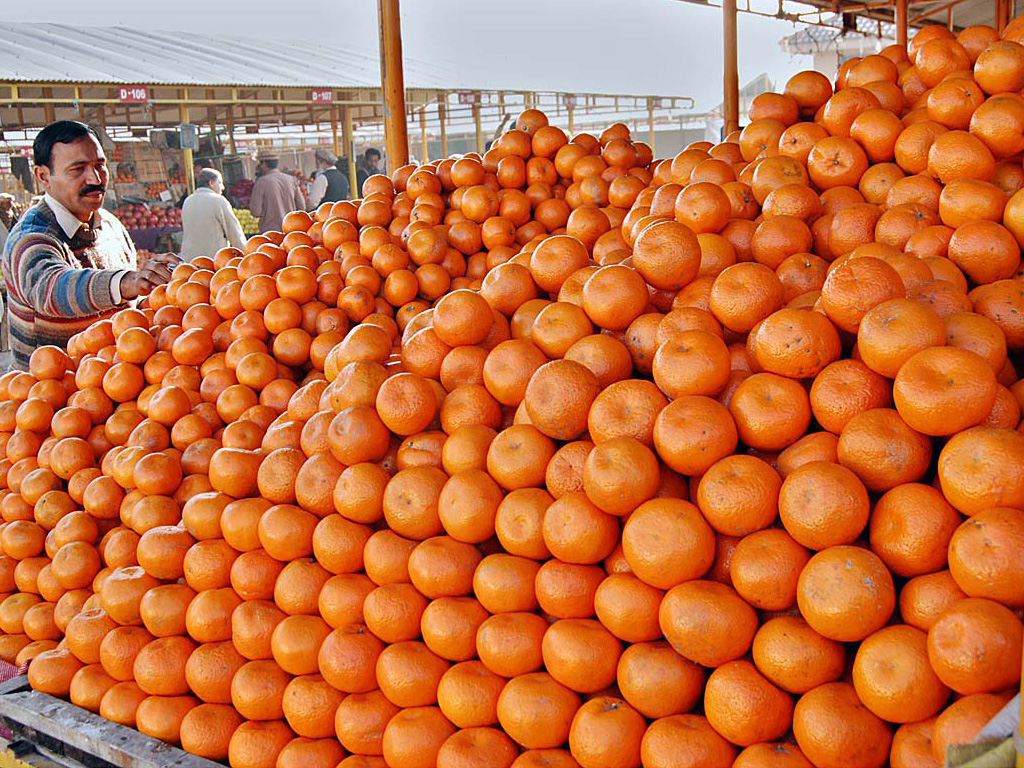
Pakistan is expected to export only 400,000 to 450,000 tonnes of kinno during the 2025–26 season, significantly below its estimated export potential of 700,000 to 800,000 tonnes, as high freight charges, border disruptions and weak government facilitation continue to weigh on the citrus sector.
Industry sources said exports during the 2024–25 season were limited to around 350,000 to 400,000 tonnes, with Russia, Indonesia, the UAE, Afghanistan, Saudi Arabia and Central Asian states remaining the main destinations. For the current season, exporters anticipate a marginal improvement due to better fruit size and quality in Sargodha and surrounding areas, but structural bottlenecks are expected to cap overall volumes.
Former MPA and large kinno grower Faisal Cheema said the sector was facing a familiar paradox of abundance without access to markets. He noted that while this year’s crop was outstanding in both quantity and quality, exporters were unable to capitalise on it. He cited ongoing Afghan border restrictions and the recent goods transporters’ strike, which disrupted the availability of reefer containers and led to missed export orders.
Prices in the domestic market have declined sharply amid weak demand. At the start of the Dubai export season, large size kinno sold for Rs120 to Rs125 per kg and smaller fruit for Rs90 to Rs95 per kg, rates that held until November 30. By December 10, prices fell to Rs100 per kg for large fruit and Rs70 per kg for small. Between December 10 and 15, factory rates dropped further to Rs85 to Rs90 per kg for large fruit and Rs55 to Rs60 per kg for small. After December 15, factories were offering as little as Rs75 per kg for large fruit and Rs35 to Rs40 per kg for small, despite limited buyer interest.
Traders are currently selling kinno to factories at around Rs1,400 to Rs1,500 per maund, according to industry estimates. Factory operations have slowed sharply, with daily pickings reduced from ten to five, resulting in repeated topping of orchards and damage to trees.
Sajid Tarar, former president of the Sargodha Chamber of Commerce and Industry, warned that border closures had paralysed the export chain. He said more than 100 factories did not open at all due to the Afghan border issue, while many of the remaining units were already operating at half capacity. Nearly 50 factories have since shut down, with several others nearing closure, putting up to 800,000 jobs at risk if the situation persists.
He also pointed to growing instability in the Afghan market, noting that while some fruit had been routed through Iran, rising tensions had created hostility towards Pakistani products. He cited an incident in which a banana consignment was damaged in Afghan markets.
Cold storage facilities across Sargodha are reported to be 80 to 90 per cent full, placing kinnow worth millions of dollars at risk of spoilage. Growers estimate potential losses of Rs8 to Rs10 billion, with concerns that reduced farm income could also affect future crops such as wheat and sugarcane.
Stakeholders have called on the government to urgently explore alternative export markets and routes, subsidise logistics, resolve border disputes and provide targeted support to exporters. Faisal Cheema said safeguarding kinno exports was essential for protecting farmers and strengthening the national economy.
Our monitoring team diligently searches the vast expanse of the web to carefully handpick and distill top-tier business and economic news stories and articles, presenting them to you in a concise and informative manner.
View all articles →0 Comments
No comments yet. Be the first to join the discussion!