Tag: production

  • Haleon Pakistan to invest $10mn to accelerate Panadol production

    Haleon Pakistan to invest $10mn to accelerate Panadol production

    Haleon Pakistan Limited, formerly known as GlaxoSmithKline Consumer Healthcare Pakistan Limited, has announced an investment of $10 million to accelerate the production of commonly known tablets Panadol and CaC 1000 Plus at its manufacturing facility in Jamshoro, Sindh.

    The company said in a stock filing that the investment was aimed at bringing the latest manufacturing technology to Pakistan and enhancing the production capacity to 8 billion tablets. This will help the company to ensure smooth supplies of Pakistan’s largest pharmaceutical over-the-counter medicine to consumers and patients in need.

    The board of directors of Haleon Pakistan approved the investment and associated financing for the production of the Panadol base portfolio, including Panadol 500mg and Panadol Extra tablets. This is in addition to the investment of $2 million being spent on enhancing the manufacturing facility of the flagship brand CaC 1000 Plus to cater to local needs and export opportunities.

    Haleon Pakistan Limited was incorporated in Pakistan as a publicly listed company under the provisions of the repealed Companies Ordinance, 1984 (now Companies Act, 2017) on 31st March 2015. It is a subsidiary of Haleon Netherlands B.V and is ultimately owned by Haleon plc.

    The company is principally engaged in the manufacturing, marketing and sale of consumer healthcare and over the counter health products.

    Haleon Pakistan reported a 13 percent increase in its profit after tax for the first half of 2023, reaching Rs313 million, compared to Rs277.28 million in the same period last year.

  • Truck, LCV production increases massively in five months

    Truck, LCV production increases massively in five months

    An exceptional upsurge has been witnessed in the production of trucks and Light Commercial Vehicles (LCVs) during the first five months of the fiscal year 2021-22 against the output of the same period of last fiscal year.

    According to official data released by Pakistan Bureau of Statistics (PBS) on Thursday, the production of LCVs has increased by 68.66 per cent during the first five months of the current fiscal year as compared to the same period last year.

    The data showed that a total of 11,734 LCVs have been manufactured during July-November (2021-22) as compared to the production of 6,957 LCVs during July-November (2020-21), showing an increase of 68.66 per cent.

    Similarly, during the period under review, the production of trucks also witnessed an increase and rose from 1,326 units to 2,355 units, registering an increase of 77.6 per cent while production of tractors has increased by 15.72 percent, going up from 19,041 units to 22,034 units.

    Likewise, the production of jeeps and cars has increased to 90,937 units during the period under review from 53,779 units during last year.

    However, during the same period, the production of buses witnessed a decrease of 12.45 per cent as it went down from 233 units last year to 204 units. Similarly, the production of motorcycles has also dipped from 1,033,648 units to 999,648 units, showing a decrease of 3.32 percent during the said period.

    Meanwhile, on a year-on-year basis, the production of LCVs surged by 22.78 per cent, from 2,028 units in November 2020 to 2,490 units in November 2021. The production of trucks has increased by 45.62 per cent, going up from 274 units to 399 units while the production of tractors also rose to 4,607 units from 3,607 units.

    The manufacturing of jeeps and cars increased to 17,651 units from 12,235 units, showing a growth of 44.27 per cent. However, the production of buses has witnessed a decline of 39.73 per cent from 233 units to 204 units; whereas the production of motorcycles has also decreased by 4.63 per cent from 226,418 units to 215,946 units during the same period. 


  • FPCCI calls for measures to enhance crop yield

    FPCCI calls for measures to enhance crop yield

    KARACHI: The Federation of Pakistan Chambers of Commerce and Industry (FPCCI) has urged the government to take concrete measures to bring down the cost of agriculture production, besides prioritising the agri sector in its economic plan, and ensuring food security through enhanced per acre yield.

    “Due to a decline in production, the import of wheat has jumped to $909 million; sugar $126 million; and cotton $913 million during Jul-Feb FY21. The cumulative import bill of these agriculture products in the eight-month period touched almost $2 billion, further lifting the ever-increasing trade deficit,” FPCCI’s ruling party chairman Mian Anjum Nisar observed.

    He maintained that lack of investment in agriculture research, climate change, poor governance and bad planning in the past has resulted in the shortage of wheat, sugar and cotton in the country.

    According to documents, cotton arrivals in Punjab were recorded at 3.5 million till Feb 2021, as compared to 5 million bales last year. On the other hand, Sindh generated just 2.1 million bales, which was 38.52pc less when compared with the last year’s production.

    Nisar noted that the country was producing 26.7 million tonnes of wheat on 9.2 million hectors a few years ago. “But yield has now declined to 24 million tonnes while production area has reduced to 8.8 million hectors.”

    Similarly, cotton production area shrank to 2.5 million hectors in Pakistan, with yield at 618kg per hector. In comparison, India was producing 29.4 million cotton bales, and China 27.5 million bales.

    Also, sugarcane production was recorded at 75.5 million tonnes on 1.2 million hectors last. Its production and area of cultivation was down to 66.8 million tonnes this year.

    “Despite 11.5pc increase in cultivated land, along with 187pc surge in wheat production, 171pc in cotton production and 162pc in sugarcane production during the last 45 years, the country is struggling meet its demands mainly due to continuous increase in the country’s population, which has reached 222.1 million with a growth rate of 1.9pc”.

    “Keeping the above in mind, the government must reduce the cost of production through direct support to farmers in purchase of machinery, fertilisers, pesticides and other inputs, while infrastructure should also be developed to ensure farm-to-market access. Besides, the government should formulate sustainable agriculture policy to ensure food security in the country,” he added.

    He said that due to the alarming decline in the cotton production (lowest in 30 years), seven million bales of worth $4 billion would be imported this year.

    “After the 18th amendment, agriculture is a provincial subject but unfortunately it looks that both provincial governments of Sindh and Punjab are not serious in increasing the production as they had not taken any positive steps in this regard so far,” Nisar lamented. “Negligence in agriculture sector could lead the country towards severe food security while shortage of essential food items would increase inflation.”

    He further pointed out, “Seed is the basic input for agriculture sector and has an imperative role in enhancing agriculture productivity. The world has now focused on the use of certified seed for enhancing agriculture productivity owing to its better profitability coupled with the application of internationally acceptable quality parameters.”

    Nisar opined that technology and farm mechanization could accelerate the growth of agriculture sector. “Since all economic indicators are moving in the positive direction, the government should now divert its full attention to share the benefits of this movement with the masses,” he concluded.

  • Tractor production up 52.8pc in July-Feb FY21

    Tractor production up 52.8pc in July-Feb FY21

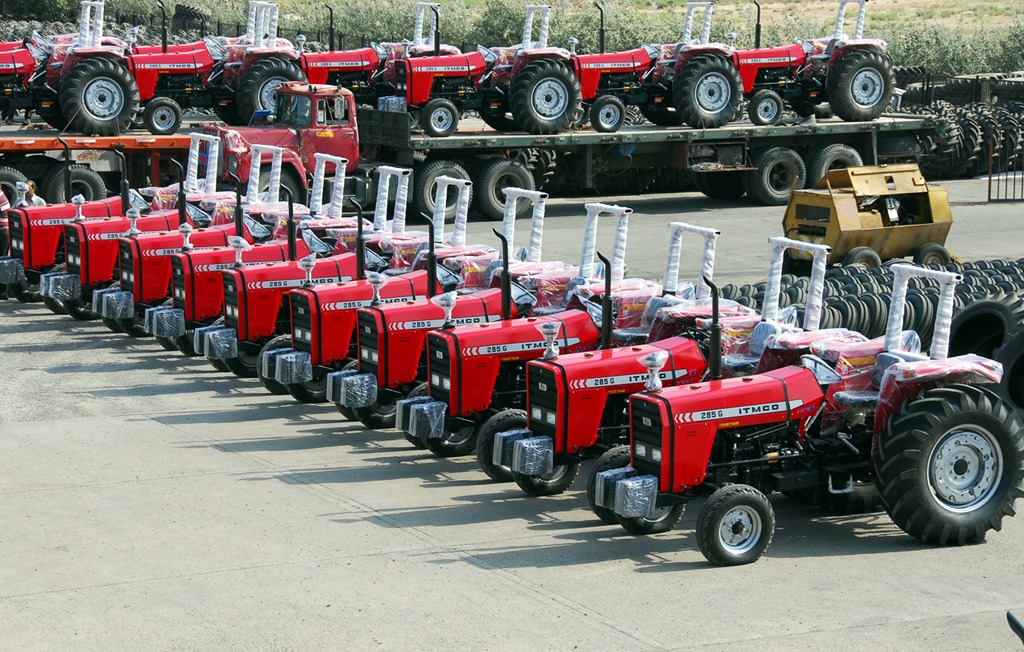
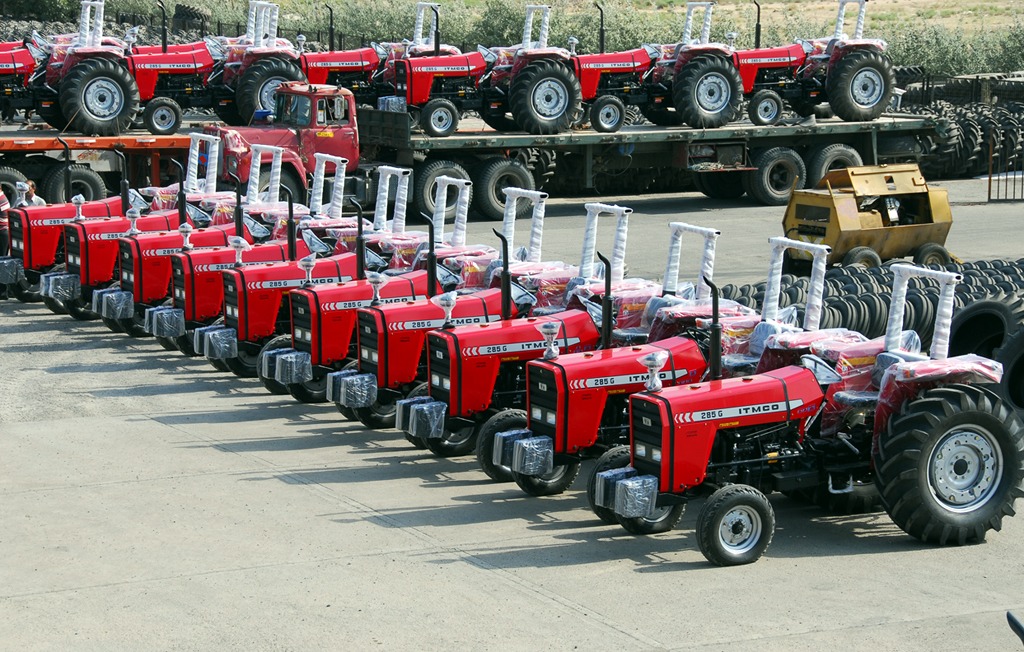
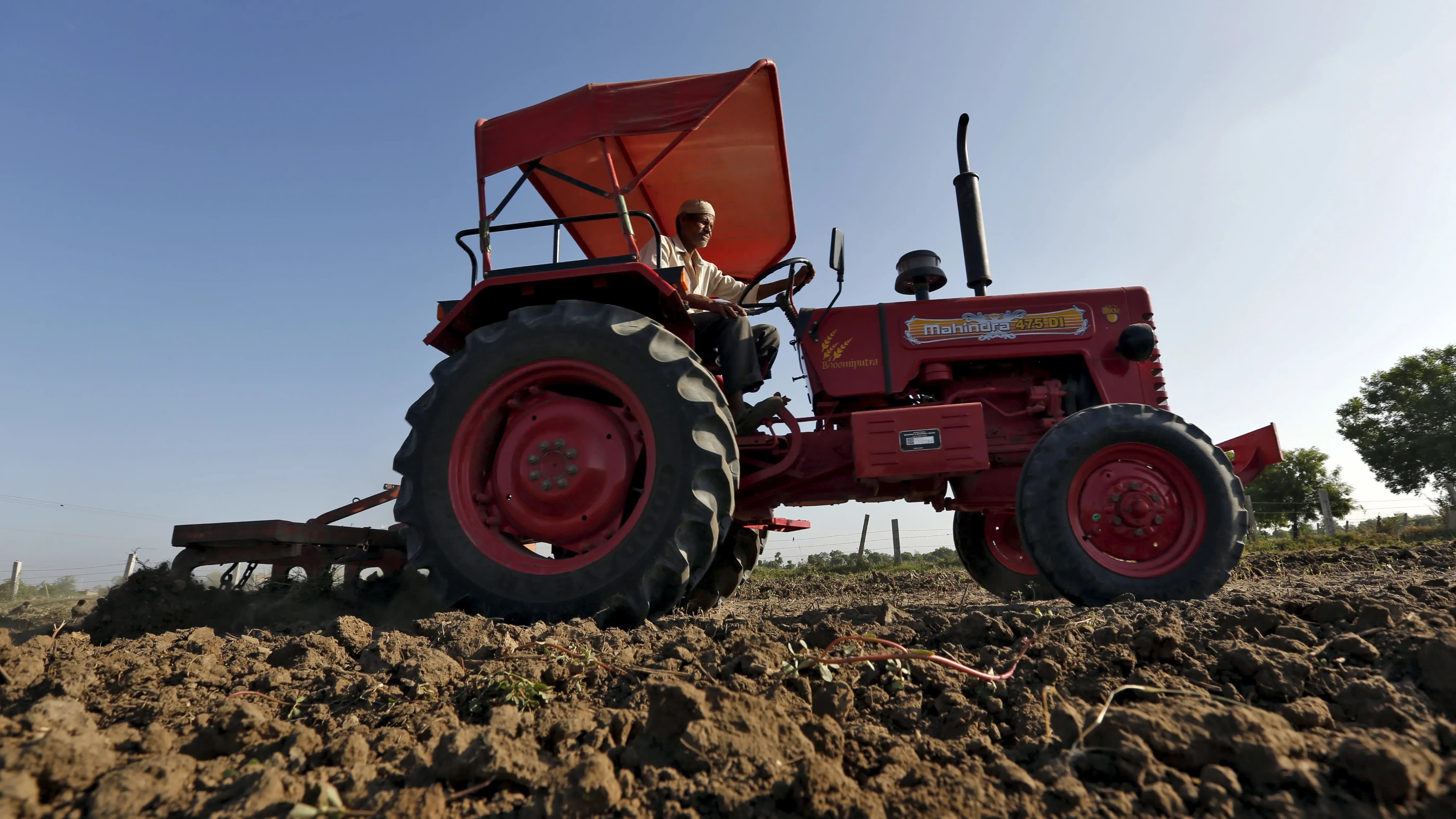
    ISLAMABAD: Production of farm tractors in the country increased 52.87pc to 31,199 units during the first eight months (July-Feb) of the current financial year (FY21), as against 20,408 units in the same period of last year.

    The production of trucks, however, declined 16.65pc to 2,021 units in 8MFY21 as compared to 2,425 units last year, data released by the Pakistan Automobile Manufacturing Association (PAMA) on Friday revealed. Similarly, the output of buses plunged to 385 units during the period under review from 430 units last year, showing a decrease of 10.46pc.

    On the other hand, the production of light commercial vehicles, vans, and jeeps surged 118.04pc to 6,439 units in July-Feb FY21 compared to 2,953 units in the same months of last year. Likewise, the production of pickups witnessed an increase of 22.17pc, from 9,933 units last year to 12,136 units.

    Meanwhile, the production of passenger cars rose 8.27pc to 88,997 units during the period under review against the production of 82,196 units last year. The manufacturing of motorcycles and three wheelers also increased to 1,266,444 units during the period under review from 1088,714 units last year, showing a growth of 16.32pc.

  • India woos Tesla with offer of cheaper production costs than China

    India woos Tesla with offer of cheaper production costs than China

    NEW DELHI: India is ready to offer incentives to ensure Tesla Inc’s cost of production would be less than in China if the carmaker commits to making its electric vehicles in the south Asian country, transport minister Nitin Gadkari told Reuters.

    Gadkari’s pitch comes weeks after billionaire Elon Musk’s Tesla registered a company in India in a step towards entering the country, possibly as soon as mid-2021. Sources familiar with the matter have said Tesla plans to start by importing and selling its Model 3 electric sedan in India.

    “Rather than assembling (the cars) in India they should make the entire product in the country by hiring local vendors. Then we can give higher concessions,” Gadkari said in an interview, without giving details of what incentives would be on offer.

    “The government will make sure the production cost for Tesla will be the lowest when compared with the world, even China, when they start manufacturing their cars in India. We will assure that,” he said.

    India wants to boost local manufacturing of electric vehicles (EVs), batteries and other components to cut costly imports and curb pollution in its major cities.

    This comes amid a global race by carmakers to jump-start EV production as countries work towards cutting carbon emissions.

    But India faces a big challenge to win a production commitment from Tesla, which did not immediately respond to an email requesting comment about its plans in the country.

    India’s fledgling EV market accounted for just 5,000 out of a total 2.4 million cars sold in the country last year as negligible charging infrastructure and the high cost of EVs deterred buyers.

    In contrast, China, where Tesla already makes cars, sold 1.25 million new energy passenger vehicles, including EVs, in 2020 out of total sales of 20 million, and accounted for more than a third of Tesla’s global sales.

    India also doesn’t have a comprehensive EV policy like China, the world’s biggest auto market, which mandates companies to invest in the sector.

    Gadkari said that as well as being a big market, India could be an export hub, especially with about 80pc of components for lithium-ion batteries being made locally now.

    “I think it’s a win-win situation for Tesla,” Gadkari said, adding he also wanted to engage with Tesla about building an ultra high-speed hyperloop between Delhi and Mumbai.

    India is drawing up a production-linked incentive scheme for auto and auto component makers as well as for setting up advanced battery manufacturing units, but the details are yet to be finalised.

    Switching to cleaner sources of energy and reducing vehicle pollution are seen as essential for India to meet its Paris Accord climate commitments.

    India last year introduced tougher emission rules for carmakers to bring them up to international standards. It is now looking at tightening fuel efficiency rules from April 2022, which industry executives say may compel some automakers to add electric or hybrid vehicles to their portfolios.

    Battered by the Covid-19 pandemic, the industry says it needs longer to make the transition.

    Gadkari said he was not directly responsible for making the decision on whether to delay, but was confident India would meet its Paris treaty commitments without disrupting economic growth.

    “Development and environment will go hand in hand. We will take some time but we will soon reach the international standard norms,” he said.

  • Oil rises on positive forecasts, slow US output restart

    Oil rises on positive forecasts, slow US output restart

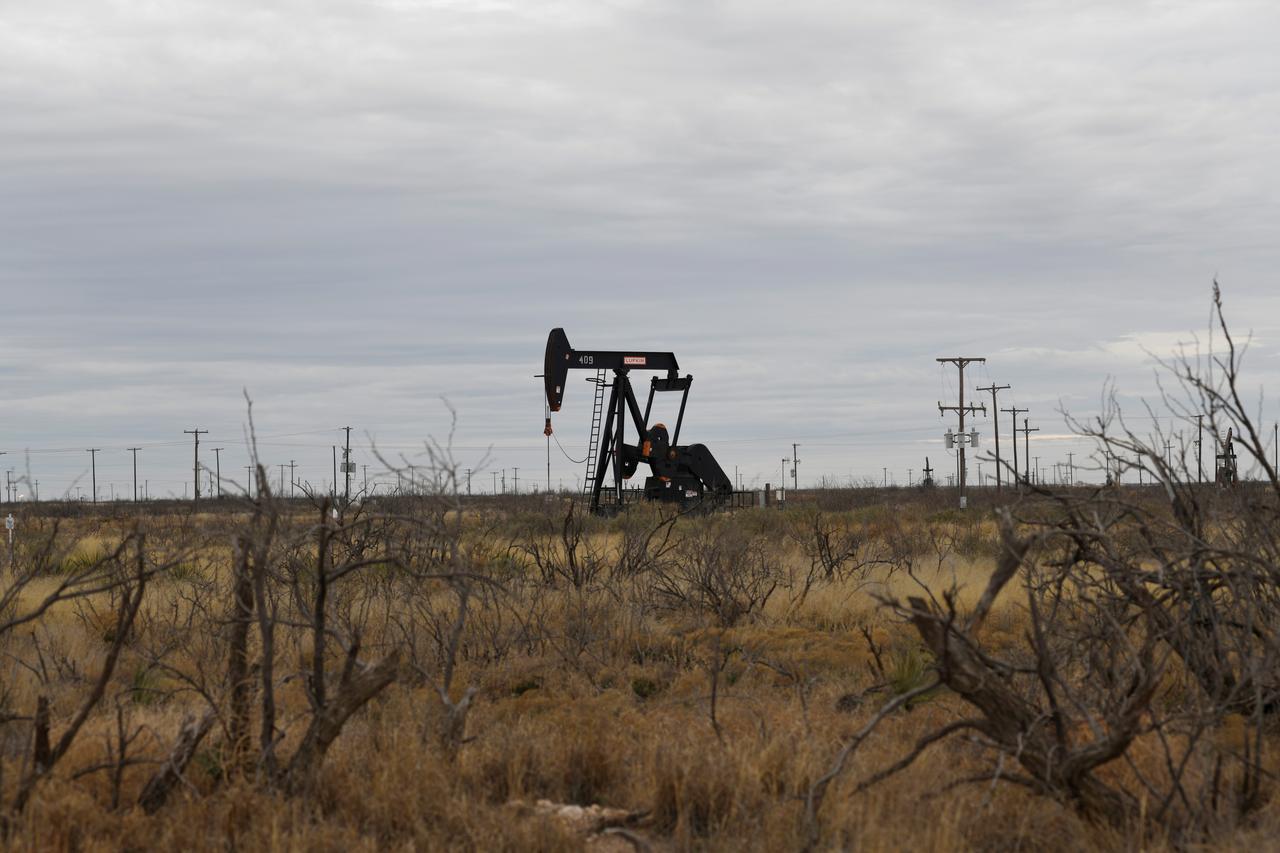
    LONDON: Oil prices rose on Tuesday, underpinned by the likely easing of Covid-19 lockdowns around the world, positive economic forecasts and lower output as US supplies were slow to return after a deep freeze in Texas shut down crude production.

    Brent crude was up 36 cents, or 0.5pc, at $65.60 a barrel by 1212 GMT, and US crude rose 39 cents, or 0.6pc, to $62.09 a barrel.

    Both contracts rose more than $1 earlier in the session.

    “Vaccine news is helping oil, as the likely removal of mobility restrictions over the coming months on the back of vaccine rollouts should further boost the oil demand and price recovery,” said UBS oil analyst Giovanni Staunovo.

    Commerzbank analyst Eugen Weinberg said optimistic oil price forecasts issued by leading US brokers had also contributed to the latest upswing in prices.

    Goldman Sachs expects Brent prices to reach $70 per barrel in the second quarter from the $60 it predicted previously, and $75 in the third quarter from $65 forecast earlier.

    Morgan Stanley expects Brent crude to climb to $70 in the third quarter.

    “New Covid-19 cases are falling fast globally, mobility statistics are bottoming out and are starting to improve, and in non-OECD countries, refineries are already running as hard as before Covid-19,” Morgan Stanley said in a note.

    Bank of America said Brent prices could temporarily spike to $70 per barrel in the second quarter.

    Disruptions in Texas caused by last week’s winter storm also supported oil prices. Some US shale producers forecast lower oil output in the first quarter.

    Stockpiles of US crude oil and refined products likely declined last week, a preliminary Reuters poll showed on Monday.

    A weaker dollar also provided some support to oil as crude prices tend to move inversely to the U.S. currency.

  • Govt urged to stop production, sale of substandard steel 

    Govt urged to stop production, sale of substandard steel 

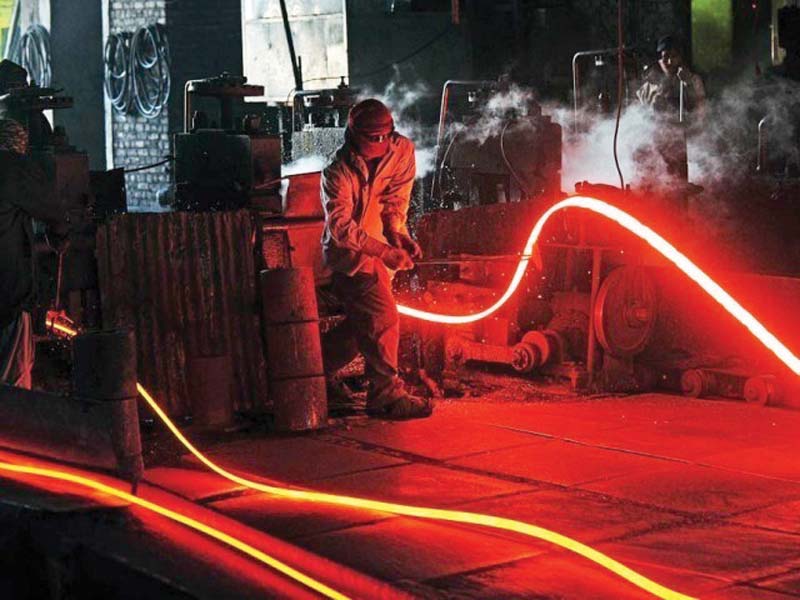
    ISLAMABAD: Steel manufacturers of the country have expressed serious concerns on the production/presence of low quality steel in the market, which not only poses a risk to infrastructure but also puts the documented sector at a disadvantage.

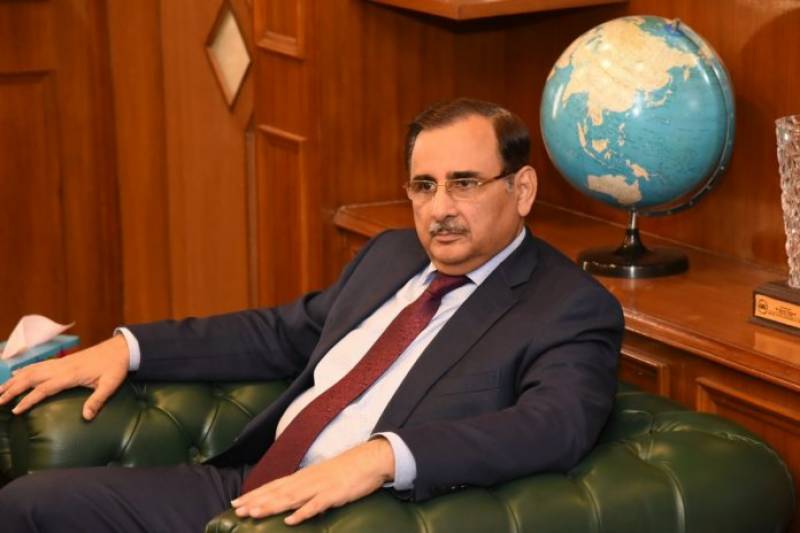
    In a meeting with Ministry of Science and Technology (MoST) Secretary Arshad Mehmood, representatives of the steel industry informed that the production and sale of substandard steel continues unabated in the country, badly affecting the quality of national infrastructure projects.

    According to sources, Abbas Akberali, the patron-in-chief of Pakistan Association of Large Steel Producers (PALSP), who headed the delegation, said that Pakistan Standard and Quality Control Authority (PSQCA), an attached department of the S&T ministry, is yet to ensure the implementation of national standard in the steel sector. “The usage of substandard steel must be stopped immediately by PSQCA through implementation of national standard in letter and spirit,” he added.

    As per Akberali, the production and sale of substandard steel was putting the documented/taxpaying sector at a disadvantage, besides discouraging them from further investments. 

    According to Pakistan Standards, manufacturers are not allowed to directly make steel from ship plates. Besides, steel produced from re-rollable scrap is substandard steel, which is not suitable for construction purposes.

  • FBR expects Rs6bn revenue from VAS installation in sugar mills

    FBR expects Rs6bn revenue from VAS installation in sugar mills

    ISLAMABAD: The Federal Board of Revenue (FBR) is expecting to collect up to Rs6 billion a year from the installation of video analytics surveillance (VAS) systems at the sugar mills to check under-reporting in production.

    The Economic Coordination Committee (ECC) had last Monday approved Rs350 million for the installation of VAS systems at the mills to monitor their operations and prevent tax evasion.

    VAS is a system that monitors production through video cameras and weighing sensors. The system was introduced under an agreement signed by the FBR and Pakistan Sugar Mills Association in October last year. VAS installation will begin as soon as the legal process regarding licencing and import of surveillance devices is completed.

    Millers say they have been notified that monitoring will start by the next sugarcane crushing season in the autumn.

    “Electronic monitoring system is expected before the start of next crushing season,” Sindh Abadgar’s Sugar Mills chief executive Tara Chand Essarani said. “Since the start of the crushing season from November 2020, representatives of FBR are already deployed in most of the mills.”

    While the FBR is optimistic that the monitoring system will significantly contribute to state coffers, experts say that the real issues behind tax evasion are the agency’s inefficient law enforcement and connivance. According to experts, the FBR needs to improve human resources and counter tax evasion through technological intervention. “The tax evasion and/or avoidance is either due to inefficiency or corruption. The FBR first of all must put its own house in order,” they added.

    An investigation report made public in May 2020 found that sugar mill owners had made a windfall profit of over Rs100 billion through acting as cartels, fudging the production cost to claim subsidies, underreporting their stocks and exploiting farmers.

    Some 85 sugar mills are operational in Pakistan, mostly in Punjab and Sindh. Many of them belong to influential politicians and their families.

  • Tractor production up 50pc in seven months

    Tractor production up 50pc in seven months

    ISLAMABAD: The production of farm tractors in the country surged 50.7pc year-on-year to 26,848 units during the first seven months (July-Jan) of the current financial year (2020-21), as against the production of 17,354 units in the corresponding period of last year.

    According to data released by the Pakistan automobile Manufacturing Association (PAMA), the production of pickups increased 20.01pc to 10,417 units from 8,680 units last year.

    As many as 5,389 units of LCVs, vans and jeeps were manufactured during 7MFY21 as compared to 2,480 units in the same months of last year, showing a significant increase of 117.29pc YoY.

    Meanwhile, the production of passenger cars also increased by 4.87pc, from 72,337 units in 7MFY20 to 75,867 units in the ongoing fiscal.

    The production of trucks, however, declined 16.6pc to 1,738 units as compared to 2,084 units last year, while the output of buses plunged to 332 units during the period under review from 364 units last year, showing a decrease of 8.79pc.

    On the other hand, the production of motorcycles and three wheelers in the country increased to 1,112,058 units during the period under review from 949,547 units last year, showing a growth of 17.11pc.

  • Toyota hikes profit forecast 54pc, shrugs off global chip supply issues

    Toyota hikes profit forecast 54pc, shrugs off global chip supply issues

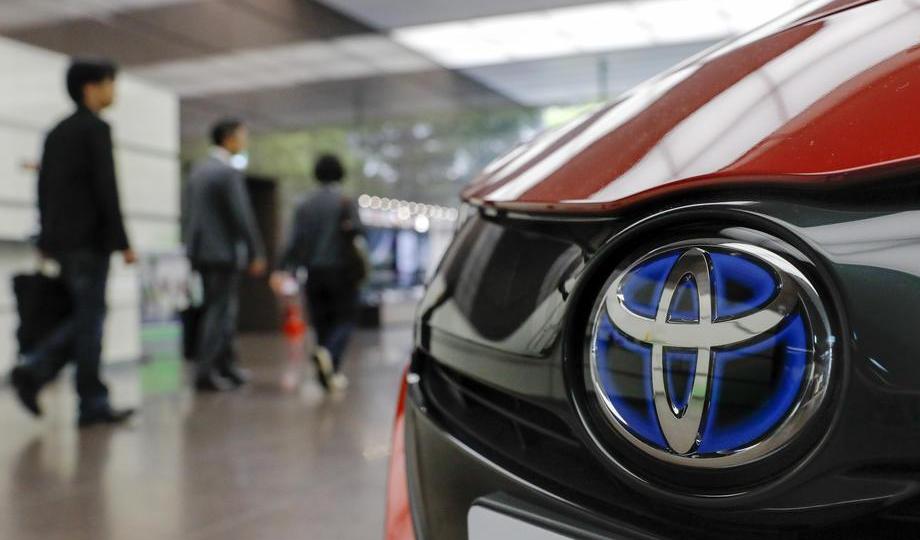
    TOKYO: Toyota Motor Corp said on Wednesday it has an up to four-month stockpile of chips and was not immediately expecting a global chip shortage to hit production, as it jacked up its full-year earnings forecast by a bigger-than-expected 54pc.

    Unlike other automakers, including Japanese peers Nissan Motor Co Ltd and Honda Motor Co Ltd, that have had to cut production because of semiconductor shortages, Toyota raised output for the fiscal year ending March.

    Shares in Toyota, the world’s biggest automaker by vehicle sales, closed up 1.7% after hitting their highest level since July 2015.

    “For the near term, we do not see any decrease in production volume due to the chip shortage, but we do see risks of a chip shortage,” Chief Financial Officer Kenta Kon said during a briefing.

    Kon said Toyota had heard chip shortages globally might continue until the summer, though the situation might resolve itself earlier.

    Asked about why the automaker is seeing limited impact compared with competitors, Kon said Toyota has been constantly providing its short-term and long-term production volume plans to suppliers.

    The automobile industry has been grappling with a chip shortage since the end of last year, which has in some cases been exacerbated by the former US administration’s sanctions on Chinese chip factories.

    But the maker of the RAV4 SUV crossover and Prius hybrid said it expects to sell 9.73 million vehicles this year, up 3.3pc from a previous forecast of 9.42 million yet still down from last year’s 10.46 million.

    “The fact that Toyota isn’t largely affected by the chip shortage now is an encouraging catalyst,” said Hideyuki Suzuki, a general manager of investment research at SBI Securities.

    For the fiscal year ending March 31, Toyota now expects record operating profit of 2 trillion yen ($19.13 billion), far higher than an earlier projection of 1.3 trillion yen, and well above an average 1.542 trillion yen profit forecast based on estimates from 23 analysts, Refinitiv data showed.

    The automaker now expects the yen to trade at 105 yen against the US dollar, versus a previous forecast of 106 yen.

    Toyota said operating profit rose to 987.9 billion yen in the three months ended Dec 31 versus an average 565.51 billion yen profit from nine analysts surveyed by Refinitiv SmartEstimate.

  • Oil extends gains after surprise Saudi output cut

    Oil extends gains after surprise Saudi output cut

    LONDON: Oil prices extended gains on Wednesday, rising to their highest since late February, after Saudi Arabia announced a big voluntary production cut, and as an industry report showed US inventories fell last week.

    Brent crude rose 25 cents, or 0.5pc, to $53.85 a barrel at 1321 GMT. Earlier in the session, it hit a high of $54.63 a barrel, a level not seen since Feb. 26, 2020.

    US West Texas Intermediate (WTI) futures were up 7 cents, or 0.1pc, to $50 a barrel. The contract hit a session high of $50.59 a barrel, its highest since Feb. 25.

    Both contracts were up about 5pc on Tuesday.

    Saudi Arabia, the world’s biggest oil exporter, on Tuesday announced it would make additional, voluntary oil output cuts of 1 million barrels per day (bpd) in February and March, after a meeting of OPEC+, which groups Organization of the Petroleum Exporting Countries producers and others, including Russia.

    With coronavirus infections spreading rapidly producers are wary of a further hit to demand.

    OPEC+ agreed most producers would hold output steady in February and March while allowing Russia and Kazakhstan to raise output by a modest 75,000 bpd in February and a further 75,000 bpd in March.

    “Despite this bullish supply agreement, we believe Saudi’s decision likely reflects signs of weakening demand as lockdowns return,” Goldman Sachs analysts wrote in a note, though they maintained an end-2021 forecast for Brent of $65 a barrel.

    US crude oil inventories fell by 1.7 million barrels in the week to Jan. 1 to 491.3 million barrels, data from industry group the American Petroleum Institute showed late on Tuesday.

    Official US Energy Information Administration inventory data for the week to Jan.1 is due on Wednesday.

  • Honda to stop production at one of two India plants

    Honda to stop production at one of two India plants

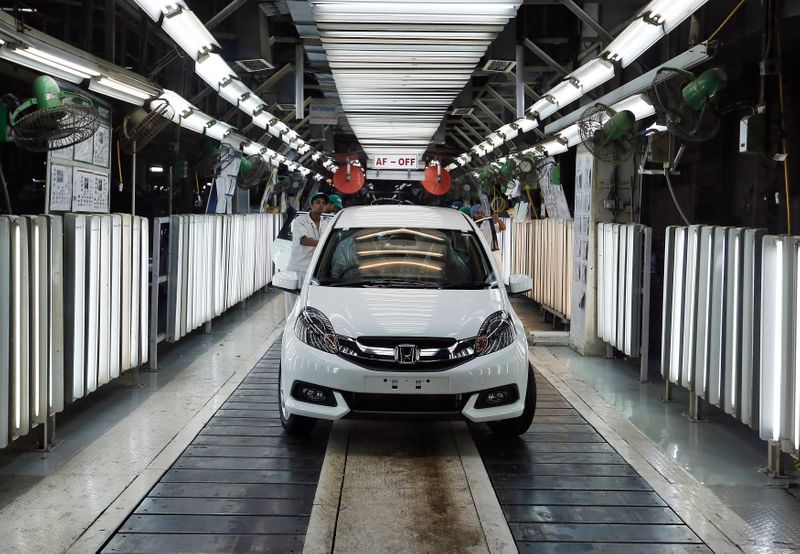
    NEW DELHI: Honda Motor Co has halted production at one of its two car manufacturing plants in India, the carmaker said on Wednesday, a country where sales of its vehicles have been under pressure from competitors.

    The Japanese automaker has stopped producing cars at its plant in Greater Noida close to the capital of New Delhi and will move all production to its second facility in the western state of Rajasthan, the company said in a statement.
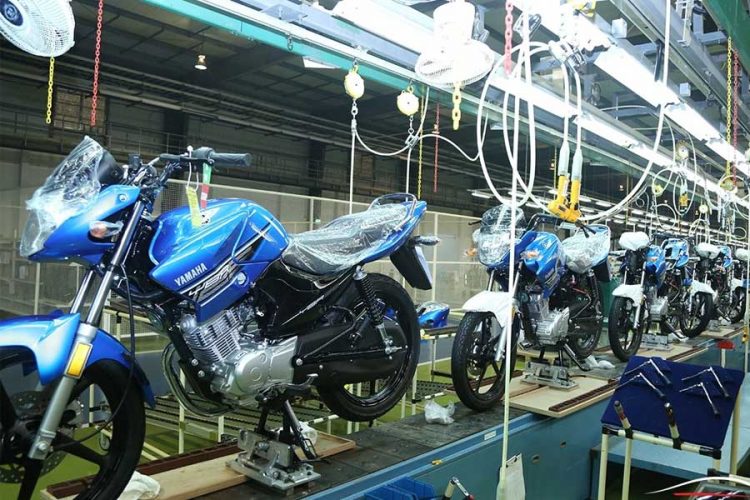
    The company’s local unit, Honda Cars India Ltd (HCIL), will produce all vehicles and components at its Tapukara plant in Rajasthan with immediate effect for all domestic sales and exports, it said.

    “India is an important market in Honda’s global strategy and HCIL is committed to bring its latest and advanced technology models including electrified vehicles in future,” said Gaku Nakanishi, president and CEO, Honda Cars India.

    The Tapukara plant has an installed capacity to produce 180,000 cars a year. Honda sold over 102,000 cars in India and exported nearly 4,000 vehicles in the last fiscal year ended March 31, 2020, industry data showed.

  • Tractor production up 19.8pc in July-Nov period

    Tractor production up 19.8pc in July-Nov period

    ISLAMABAD: Production of farm tractors increased 19.83pc to 19,041 units during the first five months (July-November) of the current financial year (FY2020-21), as against the production of 15,890 units in the same period of last year.

    According to data released by the Pakistan Automobile Manufacturing Association (PAMA), as many as 3,252 units of light commercial vehicles, vans and jeeps were manufactured during the July-Nov FY21 period, compared to 1,893 units manufactured in the same months of FY20, showing a year-on-year growth of 71.79pc.

    The production of trucks, however, witnessed a decline of 10.4pc YoY, falling from 1,480 units last year to 1,326 units during the period under review.

    Similarly, the output of buses dropped 14.02pc YoY, from 271 units last year to 233 units;  production of pickups decreased 4.27pc to 6,957 units from 7,268 units last year; whereas that of passenger cars fell 3.73pc to 50,527 units from 52,489 units last year.

    On the other hand, the manufacturing of motorcycles and three wheelers in the country rose to 789,295 units during the period under review from 674,429 units last year, showing a growth of 17.03pc.
  • PM asks industrialists to help promote corporate farming

    PM asks industrialists to help promote corporate farming

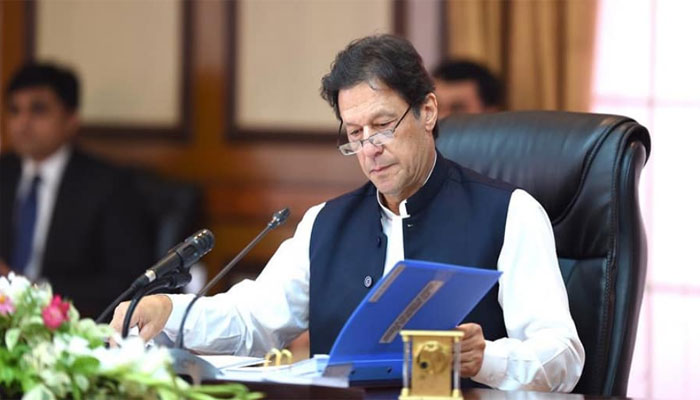
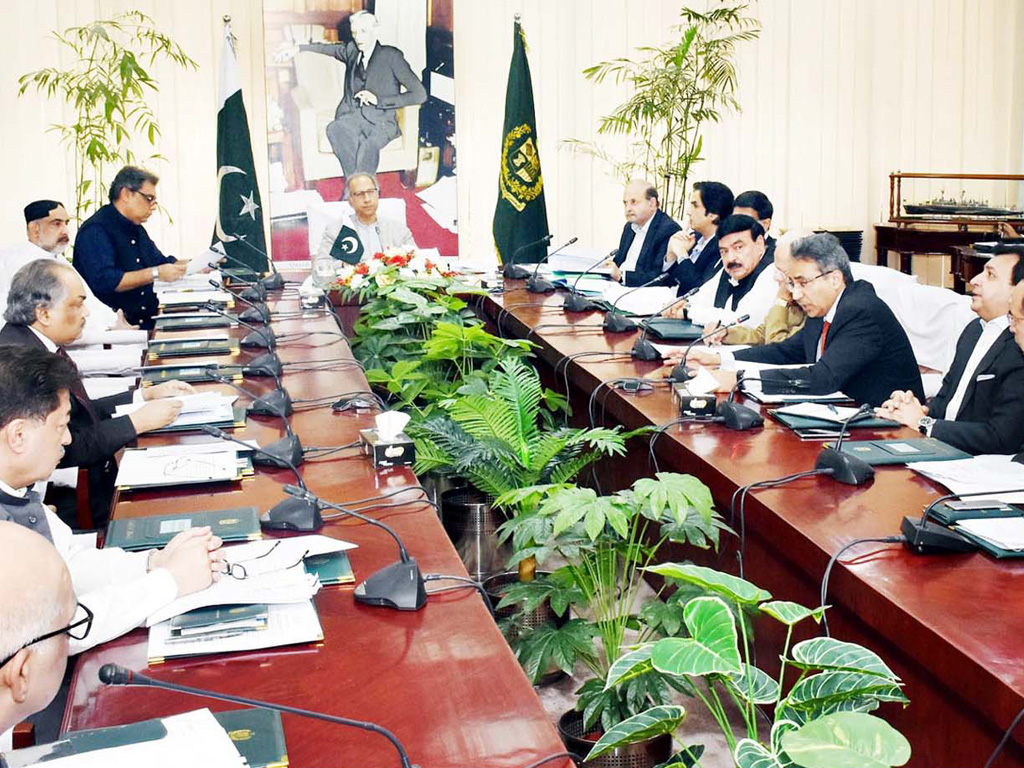
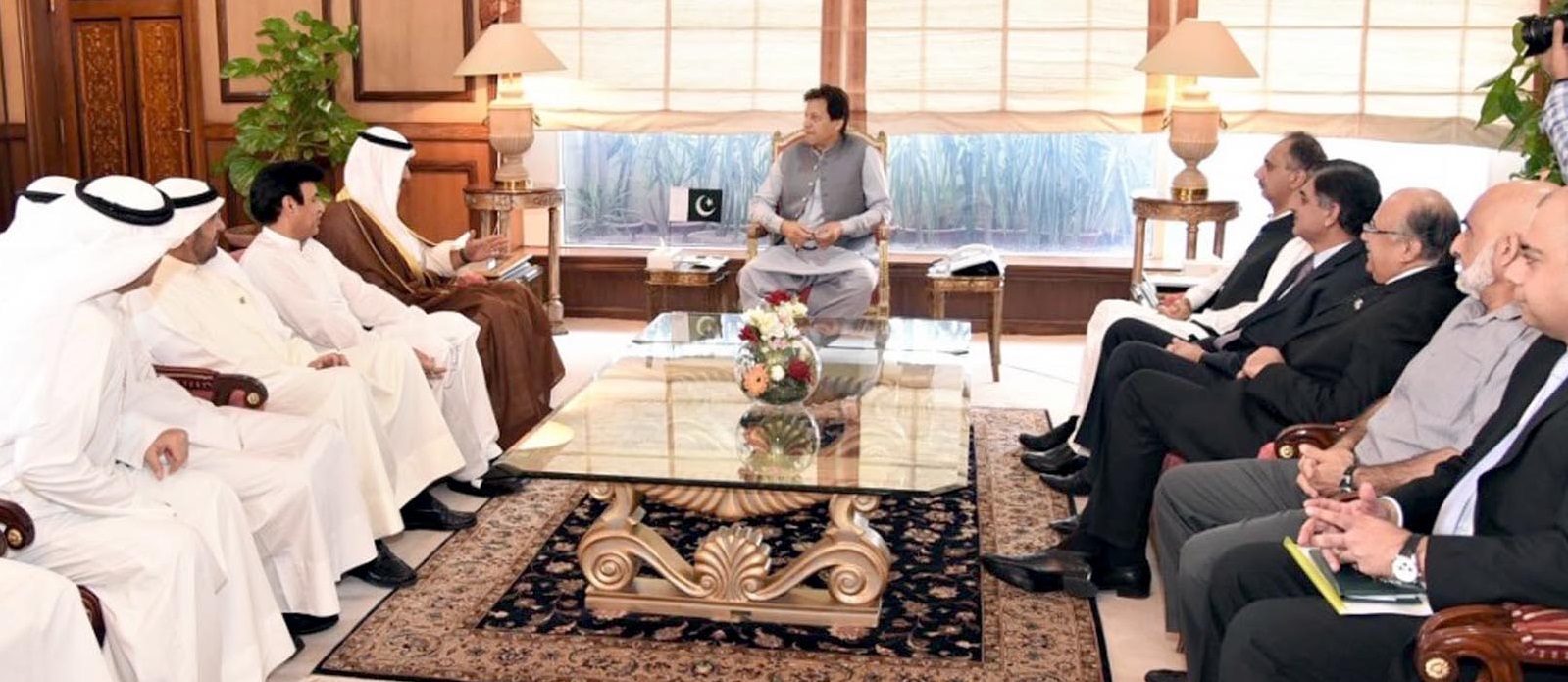
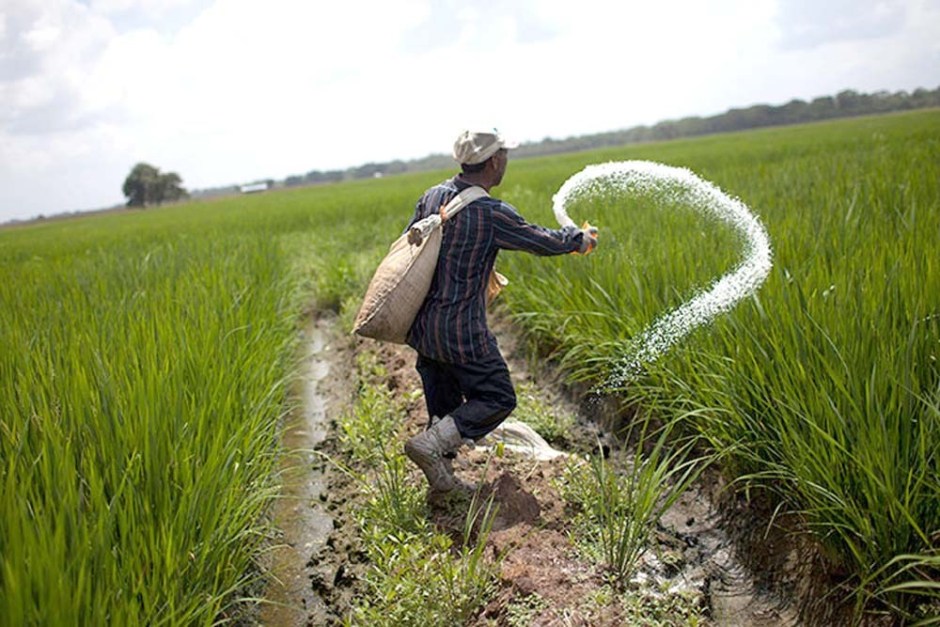
    ISLAMABAD: Stressing the expansion of corporate farming, Prime Minister Imran Khan on Friday sought proposals from industrialists to modernise agriculture sector and enhance production of various crops.
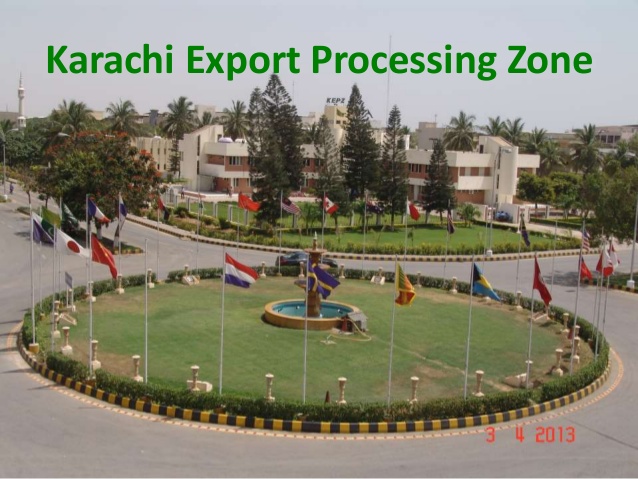

    In a meeting with the country’s leading industrialists and businessmen, the prime minister said national development and prosperity was linked with the development of the business community, facilitation of which was the responsibility of the government.

    He said the government had included the industrialists’ proposals in policymaking, which have started producing positive results.

    The PM directed the authorities concerned to resolve export-related issues faced by the industrialists at the earliest.

    The delegation included Azam Farooq (Cherat Cement), Bashir Ali Muhamamd (Gul Ahmed), Muhammad Ali Taba (Lucky Cement), Saqib Shirazi (Honda Atlas), Fawad Mukhtar (Fatima Fertilizer), Arif Habib (Arif Habib Group Ltd) and Hussain Dawood (Engro Corporation).

    Industries & Production Minister Hammad Azhar and Advisers to PM Abdul Razak Dawood, Dr Abdul Hafeez Sheikh and Dr Ishrat Hussain were also present on the occasion.

    The delegation thanked the premier for patronizing trade activities in the country. They said the highest level of foreign exchange reserves reflected economic stability and expressed satisfaction over the availability of the government’s economic team for guidance.

    The delegation also termed the country surplus current account ‘a welcome sign for national economy’.

    They informed the PM that the demand of cement was highest in the country’s history due to promotion of construction activities, which helped generate immense employment opportunities during the pandemic.

  • Positive LSM trend a ray of hope for economic revival: FPCCI 

    Positive LSM trend a ray of hope for economic revival: FPCCI 

    KARACHI: The Federation of Pakistan Chambers of Commerce and Industry (FPCCI) has said that the positive growth in large-scale manufacturing (LSM) will help achieve the annual economic growth target, besides creating jobs if the trend continues in coming months. 

    FPCCI President Mian Anjum Nisar, while addressing a delegation of various industrial sectors, said that the LSM output had grown 7.65 per cent in September, besides reporting a growth of 4.8 per cent in the first quarter of current fiscal year. He added that the positive growth rate of the industry had given a ray of hope for the revival of economic activities in the country, also stressing that the data of October 2020 might be critical to sustain the momentum of industrial production during the second wave of pandemic in the country. 

    He said that in the year 2019-20, the LSM output had fallen by 10.17 per cent which was alarming. 

    “The industrial production after suffering months of damage inflicted by the COVID-19 pandemic mainly in the construction, sugar, automobile, and pharmaceutical sectors is now clearly reflecting a revival in economic activities in the country,” Nisar said.

    “For the current fiscal year, the government has set the economic growth target at 2.1 per cent, which will be better in the current economic situation but is not enough to create jobs for a growing population,” he commented. 

    Mian Anjum Nisar said that remarkable decline in interest rates and reduction in duties on raw materials were expected to further spur economic activities in the current fiscal year, as manufacturing activity showed that more than half of the sub-sectors in the LSM rose in September. The FPCCI president said that the growth had now broken a cycle of constant contraction in the past over one year. 

    He further said that large businesses had been bearing the brunt of very high interest rates, issues related to the Federal Board of Revenue (FBR) and high energy prices.  

    According to the data, large-scale manufacturing grew 4.8 per cent in the first quarter of the current fiscal year on the back of increased output in food, textile and mineral sectors. The LSM recorded 7.7 per cent year-on-year growth in September, which kept hopes alive for recovery after the large industrial sector contracted more than 10 per cent in the previous fiscal year.  

    Data shows that out of 15 major industries, nine saw a surge in production while the output of five industries showed a contraction in the first quarter compared to the same period of the previous fiscal year. 

    FPCCI president said that the industrial sector had a major contribution to the tax collection and the sector’s share in revenues is almost three times higher than its contribution to the overall economic output.  

    According to the data, 11 types of industries registered an average growth of 0.2 per cent in the first quarter of the current fiscal year.  

    The manufacturing of chemical products increased by almost 10 per cent, paper and board almost 10 per cent and rubber products nearly 8 per cent. The pharmaceutical sector registered a growth rate of over 13 per cent in the July-Sept period. The coke and petroleum sector output increased by 2.7 per cent. 

    Industries that registered a dip in manufacturing included the automobile sector which saw a contraction of 5.4 per cent in the first quarter, iron and steel production fell 8 per cent, electronics 20 per cent, leather products 45 per cent, engineering products 37 per cent and wood products 70 per cent in the first quarter.  

    Sectors that posted growth on a quarterly basis included textile that grew by over two per cent and non-metallic mineral products increased 22 per cent during the July-Sept period. The output of power looms had declined by 50 per cent in the first quarter while the fertilizer industry showed two per cent growth whereas the food, beverages and tobacco industries recorded 13 per cent growth in the first quarter. 

    FPCCI chief Mian Anjum Nisar called for out-of-the-box solutions for economic growth, as COVID-19 has adversely impacted the world’s economy as well as Pakistan’s trade and industrial sectors.  

    He said the government had already missed its annual export target for the first two years. For the current fiscal year, the export target was reset at $27.7 billion, requiring at least 6 per cent growth. 

    He said that the government has to formulate long-term and consistent policies for the revival of industry and considerable improvement in exports. “Pakistan’s exports have remained stagnant during the past 40 years, and unless attention was paid to all factors that hamper industrial and exports growth, the country might not be able to achieve desired results,” Nisar added. 

    Some of the impediments to industrial growth include cost of production, poor governance, obsolete technology, lower productivity, lack of competitiveness, supply constraints, and energy issues, he said.